
Evaluation & Treatment
CPAP and Oral Appliance Combination Therapy, Explained
Published 7 min read
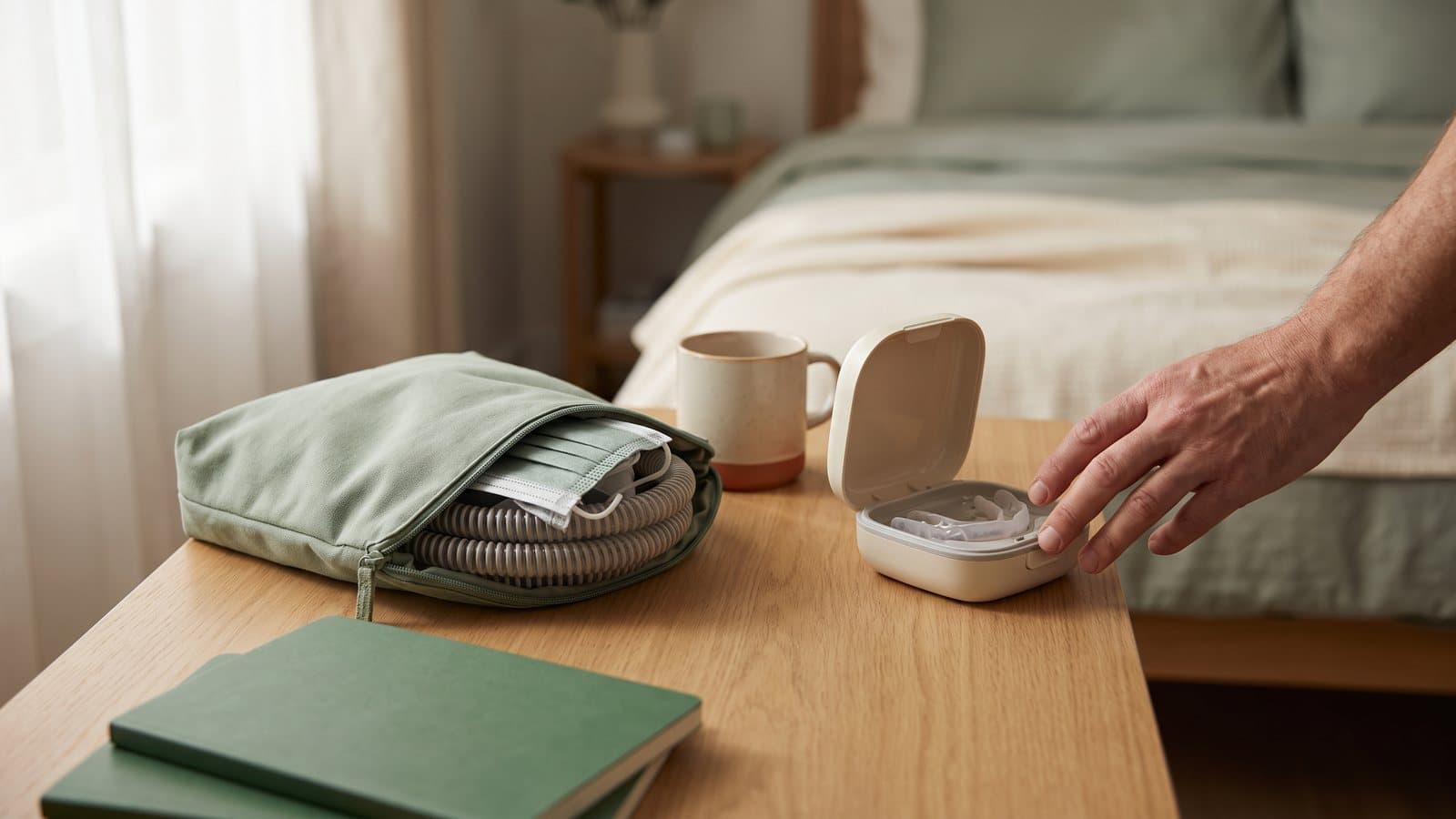
The Follow-Up Visit Where CPAP Alone Isn't Quite Enough
You have worn your CPAP faithfully for months. At your last checkup, your sleep physician pulled up the data from your machine and pointed to a few nights each week where the numbers still were not quite where they wanted them, even with the mask sealed and the pressure dialed in.
That is often the moment CPAP and oral appliance combination therapy comes up. It means using an oral appliance alongside CPAP, at your sleep physician's direction, rather than choosing one treatment over the other. It is not common for every patient, and it is never something to start on your own.
June is Men's Health Month, a fitting reminder to revisit how any ongoing sleep apnea treatment is actually going rather than assuming it is settled. This post covers what combination therapy means, who a sleep physician might consider it for, what to track before that conversation, and how Austin Sleep & Airway Health fits into the picture alongside your physician.
What Is CPAP and Oral Appliance Combination Therapy?
Combination therapy means wearing a custom oral appliance, the kind a qualified dentist fits and adjusts, at the same time as your CPAP mask. The appliance holds your lower jaw slightly forward, which can open the airway further and ease the work your CPAP has to do.
This is different from switching between the two on different nights, which some people also do for other reasons, like travel or nasal congestion. Combination therapy specifically means wearing both together, and it is a decision your sleep physician makes and monitors, usually alongside a dentist trained in dental sleep medicine.
A joint clinical practice guideline from the American Academy of Sleep Medicine and the American Academy of Dental Sleep Medicine supports this kind of teamwork between physicians and dentists when treating obstructive sleep apnea, rather than either professional working alone.
Why a Sleep Physician Might Consider Combining the Two
CPAP remains a well established, first line treatment for obstructive sleep apnea, and combination therapy is not a substitute for it. A physician typically raises the idea for a specific reason, not as a routine next step.
When an Oral Appliance Alone Has Left Some Events Behind
Some people who try an oral appliance on its own still have breathing events left over once their physician reviews a follow-up sleep study. Rather than abandoning the appliance, a physician may ask whether adding it back in alongside CPAP, at a lower pressure, resolves what remained.
When CPAP Pressure Feels Hard to Live With
A high CPAP pressure setting can feel forceful and be part of why a mask feels hard to tolerate night after night. Research published in the Journal of Applied Physiology found that in a small group of adults who had not fully responded to an oral appliance alone, adding it back in alongside CPAP meaningfully lowered the air pressure needed to keep the airway open. That is a narrow study, not a promise for every patient, and any pressure change belongs to your sleep physician.
Occasional Use Is a Different Question
Wearing an oral appliance instead of CPAP for a night here or there, during travel or a cold, is a separate conversation from true combination therapy. Ask your physician which pattern applies to you before assuming one covers the other.
What to Track and Bring to Your Evaluation
A few specific notes give your sleep physician and dentist something concrete to discuss, rather than a general sense that something feels off.
Consider noting:
- Which nights you used CPAP, an oral appliance, or both, and for how long.
- Your CPAP pressure setting, and whether it has felt harder to tolerate lately.
- Snoring, gasping, or restlessness your partner has noticed.
- Morning headaches, dry mouth, or how rested you feel on waking.
- Any jaw soreness or bite changes if you already wear an oral appliance.
Bring these notes to your next visit with your sleep physician, and to Austin Sleep & Airway Health if an oral appliance is part of the conversation. Specific patterns point to specific next steps.
When It's Worth Asking About Combination Therapy
It is worth raising combination therapy with your sleep physician if you have stayed consistent with CPAP, given mask and pressure adjustments real time, and your physician's data still shows room to improve. It is also worth mentioning if high pressure keeps you from using CPAP most nights, even after working with your equipment provider.
This is a physician led decision, made with input from a dentist trained in dental sleep medicine when an oral appliance is involved. If you are not already using CPAP or have not had a diagnostic sleep study, that conversation starts there, since only a physician diagnoses obstructive sleep apnea.
How Austin Sleep & Airway Health Helps With CPAP and Oral Appliance Combination Therapy
When combination therapy is on the table, we start with a close look at your airway. Our in-house 3D CBCT airway imaging takes about 45 seconds and uses a low dose, and Dr. Culotta reviews airway shape and volume along with the tonsils, adenoids, nasal passages, and jaw position. It is an awake, upright snapshot, not a sleep study, so it does not diagnose sleep apnea or measure how CPAP and an oral appliance work together overnight.
We pair that imaging with an airway focused exam: tongue mobility and resting posture, oral ties, palate width, bite, jaw joints, tonsil size, nose versus mouth breathing, and a detailed sleep and health history. If a custom oral appliance is part of your plan, we build in gradual adjustment and follow-up visits, and we coordinate with your sleep physician on next steps, including a follow-up sleep study to see how the combination is working. If you already wear an appliance and something feels off, our guide to oral appliance side effects covers what is typically normal during adjustment and what is worth a call.
We also stay in touch with your CPAP equipment provider when useful, since CPAP troubleshooting sometimes turns out to be part of the same conversation. As Dr. Culotta puts it, "Positive change is possible at any age. Awareness is the first step."
Frequently Asked Questions
What does combination therapy mean for sleep apnea treatment?
Combination therapy means wearing a custom oral appliance together with CPAP, at your sleep physician's direction, rather than using one treatment in place of the other. The appliance holds the jaw slightly forward, which can ease the work CPAP has to do.
Is combination therapy the same as switching between CPAP and an oral appliance?
No, switching between the two on different nights, such as CPAP at home and an appliance while traveling, is a different pattern than wearing both together. Ask your physician which pattern fits your situation before assuming one is the same as the other.
Can adding an oral appliance lower my CPAP pressure?
It may, for some people, but this is a decision for your sleep physician to make and monitor, not something to try on your own. A small study in the Journal of Applied Physiology found a meaningful pressure reduction in adults who had not fully responded to an oral appliance alone.
Who decides if I am a candidate for combination therapy?
Your sleep physician makes this decision, typically with input from a dentist trained in dental sleep medicine once an oral appliance is being considered. It usually comes up when CPAP alone has not fully resolved your sleep study results or when pressure is hard to tolerate.
Will an oral appliance feel strange to wear with a CPAP mask?
Many people need an adjustment period for a CPAP mask, an oral appliance, or both together, and mild soreness or awkwardness in the first weeks is common. Ongoing jaw pain, bite changes, or a mask that no longer fits over the appliance are worth mentioning to your physician or dentist.
Does insurance cover combination therapy?
Coverage depends on your plan and your physician's documentation, so it is worth asking both your insurance carrier and our office directly. We can help you understand next steps once your physician has weighed in.
Where can I ask about CPAP and oral appliance combination therapy in Austin?
Austin Sleep & Airway Health evaluates the airway and fits custom oral appliances at 1701 Simond Ave, Suite 107A, in Austin's Mueller area, working alongside your sleep physician on combination therapy questions. Call (512) 900-9715 or email hello@austinsleephealth.com, Monday, Tuesday, Thursday, and Friday, 8:00 AM to 3:00 PM.
Talk With Your Physician and With Us About Your Options
If your sleep physician has mentioned combination therapy, or if CPAP alone has left you with questions, an airway focused evaluation can help round out that conversation. You can schedule a sleep appliance consultation with Dr. Culotta, and we will coordinate with your physician from there.
By Austin Sleep & Airway Health
This article is for general education. It is not a diagnosis and does not replace an evaluation with a qualified provider.
A comfortable option worth exploring
Learn how a custom oral appliance gently supports an open airway during sleep, and how we work alongside your sleep physician.
Keep Reading
Related articles

Evaluation & Treatment
Sleep Study Results Explained: AHI, Oxygen, and Next Steps
Your sleep study results are in. Here is what AHI, RDI, ODI, and your oxygen numbers actually mean, and what to ask your physician about next steps.
Read more7 min read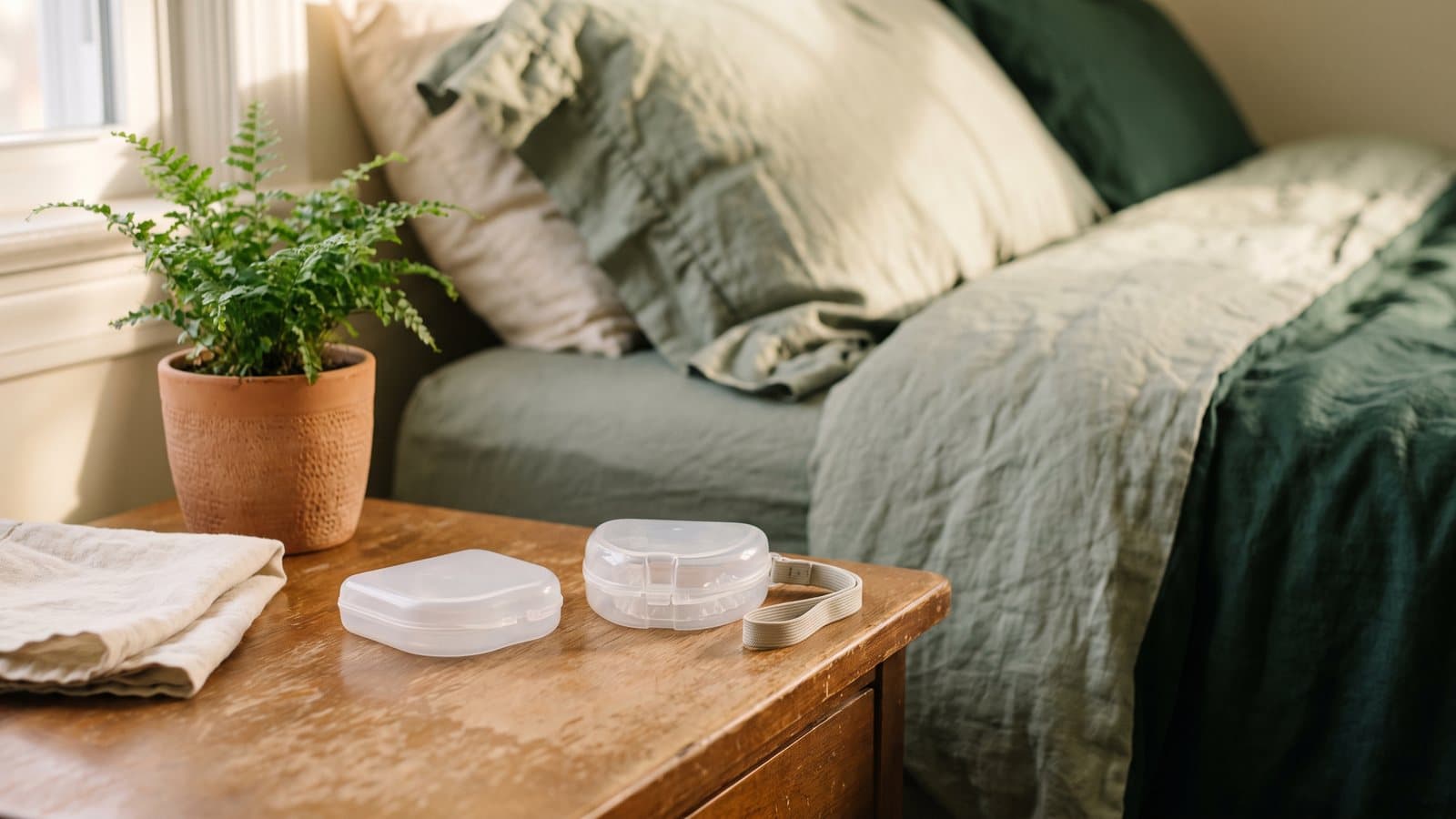
Evaluation & Treatment
Night Guard vs. Sleep Apnea Appliance: What's the Difference?
See how a standard night guard differs from a sleep apnea appliance, what the research really says, and when an evaluation helps you choose right.
Read more7 min read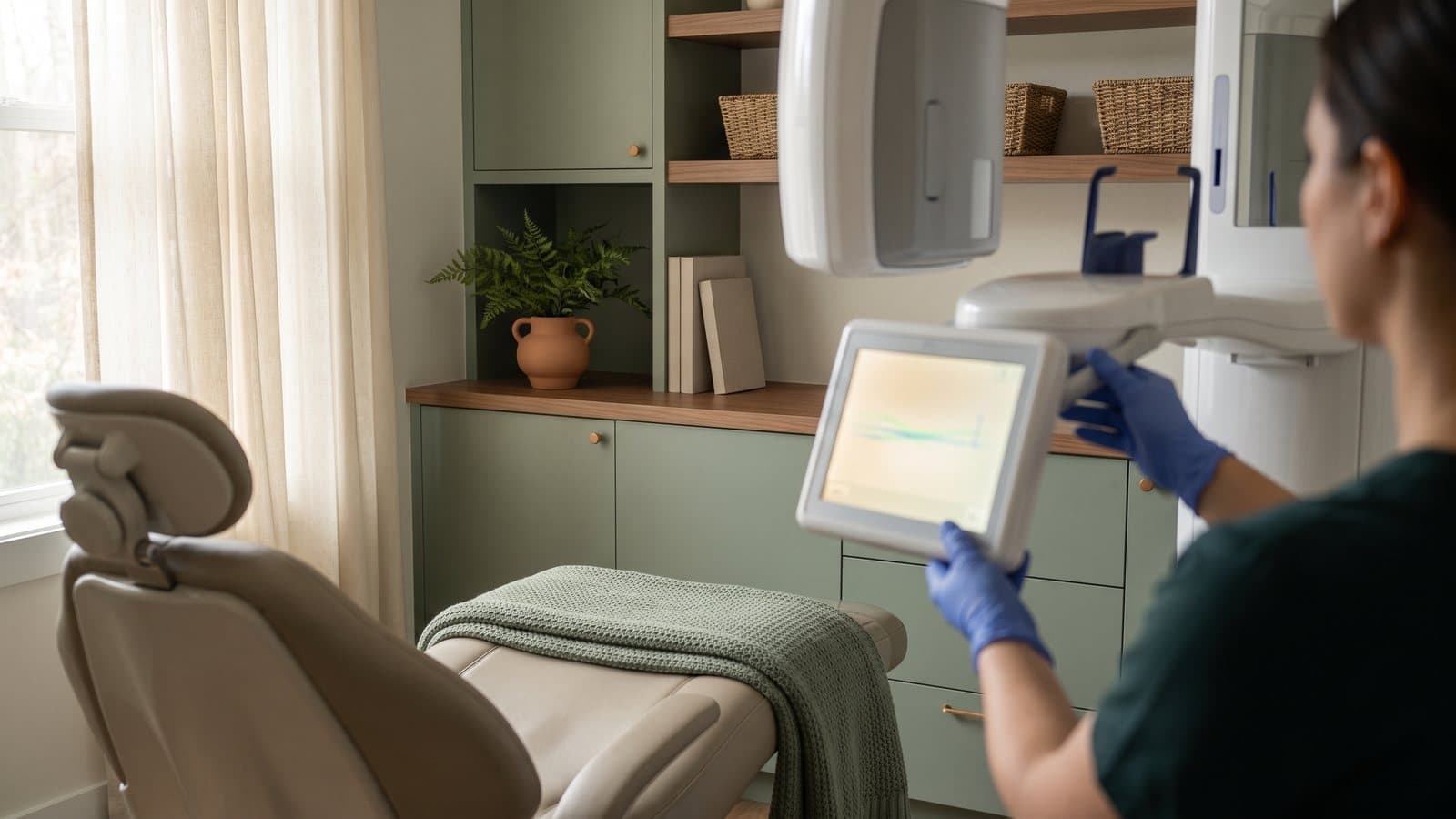
Evaluation & Treatment
Is a CBCT Scan Safe? Radiation and Airway Imaging Explained
See how much radiation a CBCT scan uses, how the ALARA principle keeps every scan low, and what Dr. Culotta looks for during your airway evaluation.
Read more7 min read
Free Sleep Apnea Quiz
Do You Have Sleep Apnea? Find Out Now
Snoring, fatigue, and restless nights could be signs of sleep apnea, a condition that affects your health more than you might realize. Take our quick, easy Sleep Apnea Quiz to uncover potential risk factors and determine if it’s time to seek expert care. In just a few minutes, you’ll gain valuable insights into your sleep health and take the first step toward better breathing, restful nights, and a healthier life. Don’t wait. Your journey to better sleep starts here!