Evaluation & Treatment
Anti-Snoring Mouthguard vs. Custom Oral Appliance: What Works?
Published 7 min read
The Mouthguard That's Been in the Nightstand Since January
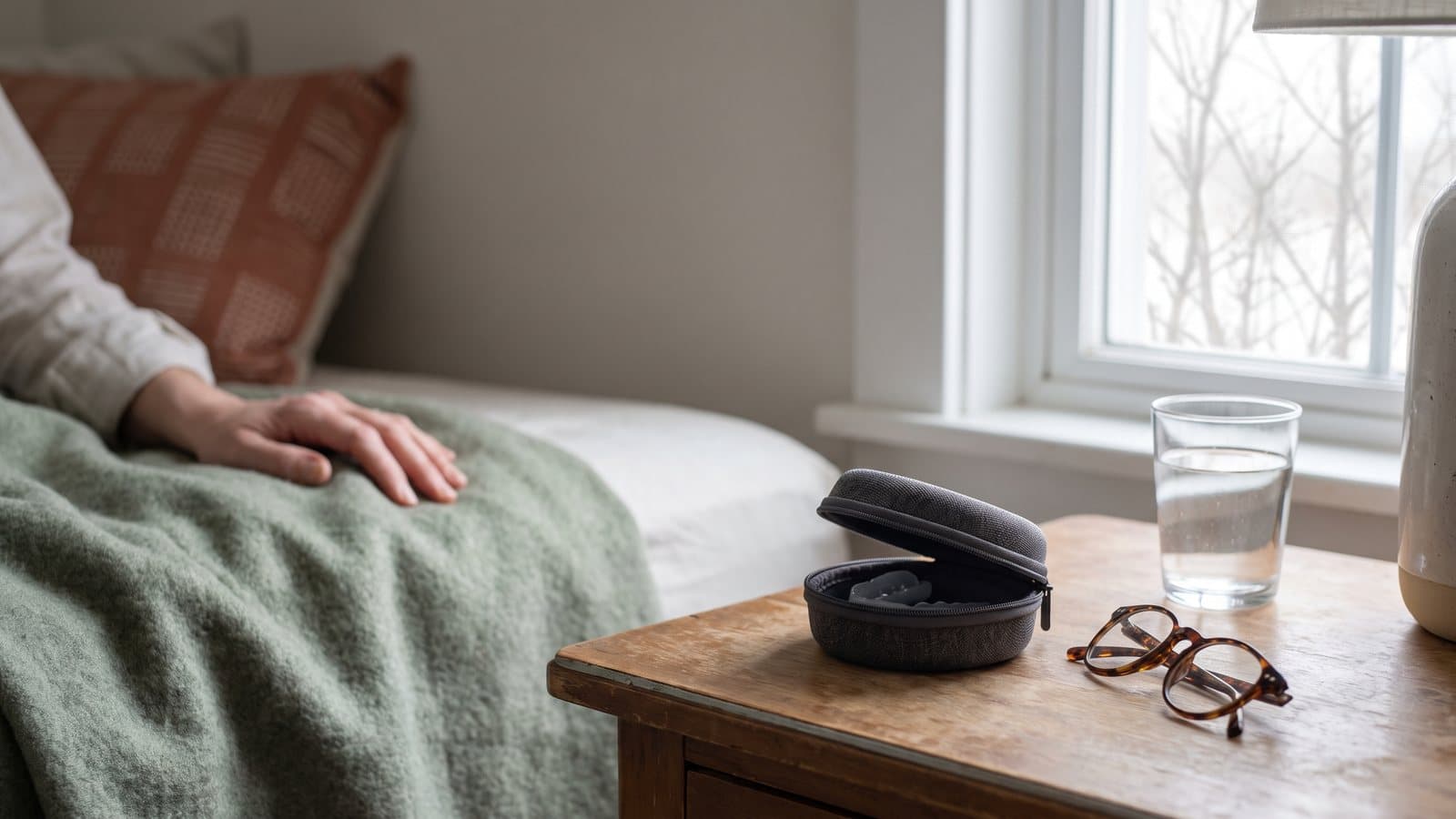
Back in January, plenty of people stopped at the pharmacy for an inexpensive anti snoring mouthguard, the kind you boil, bite down on while it's still warm, and hope solves the problem by morning. By late winter, some are still doing their job. Others sit half used in a nightstand drawer, next to a note to ask the dentist about it.
If you're wondering whether the drugstore version is enough, or a custom oral appliance is worth the extra step, that's a fair question. Both work on the same basic idea: holding the jaw or tongue in a position that keeps the airway more open overnight. The real difference is fit, oversight, and what each one is built and tested to do.
At Austin Sleep & Airway Health, we see patients who already tried the drugstore option, with mixed results, before their evaluation. This guide compares what an anti snoring mouthguard is, what a custom oral appliance adds, what the research shows, and how to decide what fits you.
What Is an Anti-Snoring Mouthguard, and How Is a Custom Oral Appliance Different?
A drugstore anti snoring mouthguard is usually a boil and bite device. You soften it in hot water, bite down to leave a rough impression, and let it cool into shape, holding the lower jaw slightly forward, or keeping the tongue from falling back, so the airway stays a little more open.
A custom oral appliance starts from an impression or digital scan of your own teeth and bite, not a mold you shape yourself. At Austin Sleep & Airway Health, a dental lab builds it to your exact measurements, then we fit and adjust it gradually over follow up visits, a process called titration, so the jaw moves forward only as far as comfortable. A follow up sleep test, coordinated with your physician, confirms how well it is working.
Both approaches share the same idea. What differs is precision, adjustability, and whether anyone tracks how your body responds over time.
Do Anti-Snoring Mouthguards Actually Work?
For some people, yes, a drugstore anti snoring mouthguard can quiet snoring somewhat, at least for a while. The research and the regulatory picture both come with real caveats worth knowing first.
The FDA classifies mouth devices for snoring and sleep apnea, over the counter and custom alike, under the same general category, but what a specific product is cleared to do differs. A device sold over the counter for snoring alone is typically cleared based on observed reduction in snoring noise, while a device meant to treat diagnosed sleep apnea must be supported by sleep study data instead. An inexpensive mouthguard from the pharmacy aisle is generally built and tested to quiet snoring, not to treat sleep apnea itself.
Research on effectiveness is mixed. A review in the Journal of Thoracic Disease found adjustable, semi custom devices can come close to dentist made appliances in some studies, while older, non adjustable boil and bite designs are more often linked to poor retention and lower long term use. A comfortable, well fitted boil and bite mouthguard may be a reasonable place to start for occasional snoring. If it keeps falling out or leaves your jaw sore, that tells you something too.
Why a Custom Oral Appliance Fits (and Works) Differently
A custom appliance is not simply a nicer version of the drugstore option. It starts with an airway focused exam, where Dr. Culotta looks at tongue mobility and posture, palate width, bite, jaw joints, and whether you breathe through your nose or your mouth at night.
When useful, our in-house CBCT airway imaging adds another layer. The scan takes about 45 seconds, uses a low dose, and gives Dr. Culotta a closer look at airway shape, volume, and structures such as the tonsils, adenoids, nasal passages, and jaw position. It is an awake, upright snapshot, not a sleep study, and does not diagnose sleep apnea on its own, but it shows details a boil and bite mold cannot.
From there, the appliance is built to your bite and adjusted gradually, not shaped once and left alone. That adjustability, with regular follow up visits, is what the research points to as the real advantage over a fixed, one size design.
What to Track Before Your Next Step
You do not need a diagnosis to start paying attention. For a week or two, keep a simple note by the bed: how many nights you wore the mouthguard, whether your jaw felt sore in the morning, whether it stayed in place, and whether your partner still notices snoring.
Also note whether snoring changes with sleep position, alcohol, or a stuffy nose, since those details separate a simple habit from something more consistent.
Bring that log to your evaluation. A few nights of specific detail tells Dr. Culotta far more than a general sense that snoring is still a problem.
When It's Worth an Airway Evaluation
A few signs point toward scheduling a visit rather than trying another drugstore version. If your jaw is sore for more than a few mornings, the mouthguard will not stay in no matter the size, or snoring continues despite consistent use, that is worth a look.
Pay closer attention if a partner mentions pauses in your breathing, gasping, or choking, not just snoring. That is worth mentioning to your physician, since only a physician diagnoses sleep apnea, through a home sleep test or an in-lab sleep study, and appliance decisions often become clearer once a diagnosis is in place, including how insurance may apply.
You do not need to wait for a crisis. An evaluation is reasonable even if you are simply unsure whether the mouthguard is doing enough.
How Austin Sleep & Airway Health Helps With Anti-Snoring Mouthguard Decisions
Austin Sleep & Airway Health, in the Mueller area of Austin, is the dental sleep and airway practice of Dr. Kacie Culotta, DMD, a Diplomate of the American Board of Dental Sleep Medicine and a Qualified Dentist with the American Academy of Dental Sleep Medicine. Many patients arrive having already tried a drugstore mouthguard, with mixed results, and want to know what a custom option adds.
We start with the same airway focused exam and CBCT imaging described above, then build and fit a custom oral appliance for snoring or sleep apnea when that is the right option, with follow up visits to adjust fit and comfort. We coordinate with your sleep physician for testing and present an oral appliance as one option alongside CPAP, never as a replacement for a physician's diagnosis.
Dr. Culotta often says, "It's never too late to breathe, sleep, and feel better." That applies whether you are trying a custom appliance for the first time or finally getting the right help after a drugstore mouthguard fell short.
Frequently Asked Questions
Is a cheap anti-snoring mouthguard from the drugstore just as good as a custom one from a dentist?
A drugstore anti snoring mouthguard is usually not as effective long term as a custom oral appliance, mainly because it is not fitted to your bite or adjusted over time. Adjustable devices can come closer to custom results, but a plain boil and bite design is more likely to loosen or feel uncomfortable.
Are over-the-counter anti-snoring mouthguards FDA-approved for sleep apnea?
Most over the counter anti snoring mouthguards are cleared by the FDA to reduce snoring noise, not to treat diagnosed obstructive sleep apnea, which requires sleep study evidence instead. Only appliances backed by that data can be marketed to treat sleep apnea itself.
Can a boil-and-bite mouthguard actually reduce snoring?
For some people, a well fitted boil and bite mouthguard can reduce snoring noise, at least for a while, by holding the jaw slightly forward. Results vary by person and depend on comfort, fit, and consistent use.
How long can I safely use a drugstore anti-snoring mouthguard before seeing a dentist?
A drugstore anti snoring mouthguard is best treated as a short term option while you wait for a professional evaluation, not a long term solution on its own. If soreness, poor fit, or ongoing snoring continue past a few weeks, that is a reasonable point to schedule an evaluation.
Can an anti-snoring mouthguard cause jaw pain or move my teeth?
A poorly fitted anti snoring mouthguard can contribute to jaw soreness, and long term use of an ill fitting device may gradually affect tooth position. A dentist monitors fit and bite changes over time with a custom appliance.
Do dentists recommend over-the-counter mouthguards for snoring?
Many dentists view an over the counter mouthguard as a reasonable first step for mild, occasional snoring, but not a substitute for an airway evaluation. Frequent, loud snoring, gasping, or daytime fatigue point toward an evaluation and possibly a sleep study.
Where can I get a custom oral appliance fitted in Austin?
Austin Sleep & Airway Health, in the Mueller area of Austin, fits custom oral appliances for snoring and sleep apnea after a full airway evaluation. Call (512) 900-9715 to schedule, or start with our custom oral appliance therapy page.
Ready to Move Past the Drugstore Mouthguard?
If the mouthguard from the pharmacy aisle has done all it can, or you are ready to find out whether something more precise fits your night better, a custom evaluation is a reasonable next step. Visit our custom oral appliance therapy page to see how the process works, or call (512) 900-9715 to schedule with Austin Sleep & Airway Health.
By Austin Sleep & Airway Health
This article is for general education. It is not a diagnosis and does not replace an evaluation with a qualified provider.
A comfortable option worth exploring
Learn how a custom oral appliance gently supports an open airway during sleep, and how we work alongside your sleep physician.
Keep Reading
Related articles

Evaluation & Treatment
Sleep Study Results Explained: AHI, Oxygen, and Next Steps
Your sleep study results are in. Here is what AHI, RDI, ODI, and your oxygen numbers actually mean, and what to ask your physician about next steps.
Read more7 min read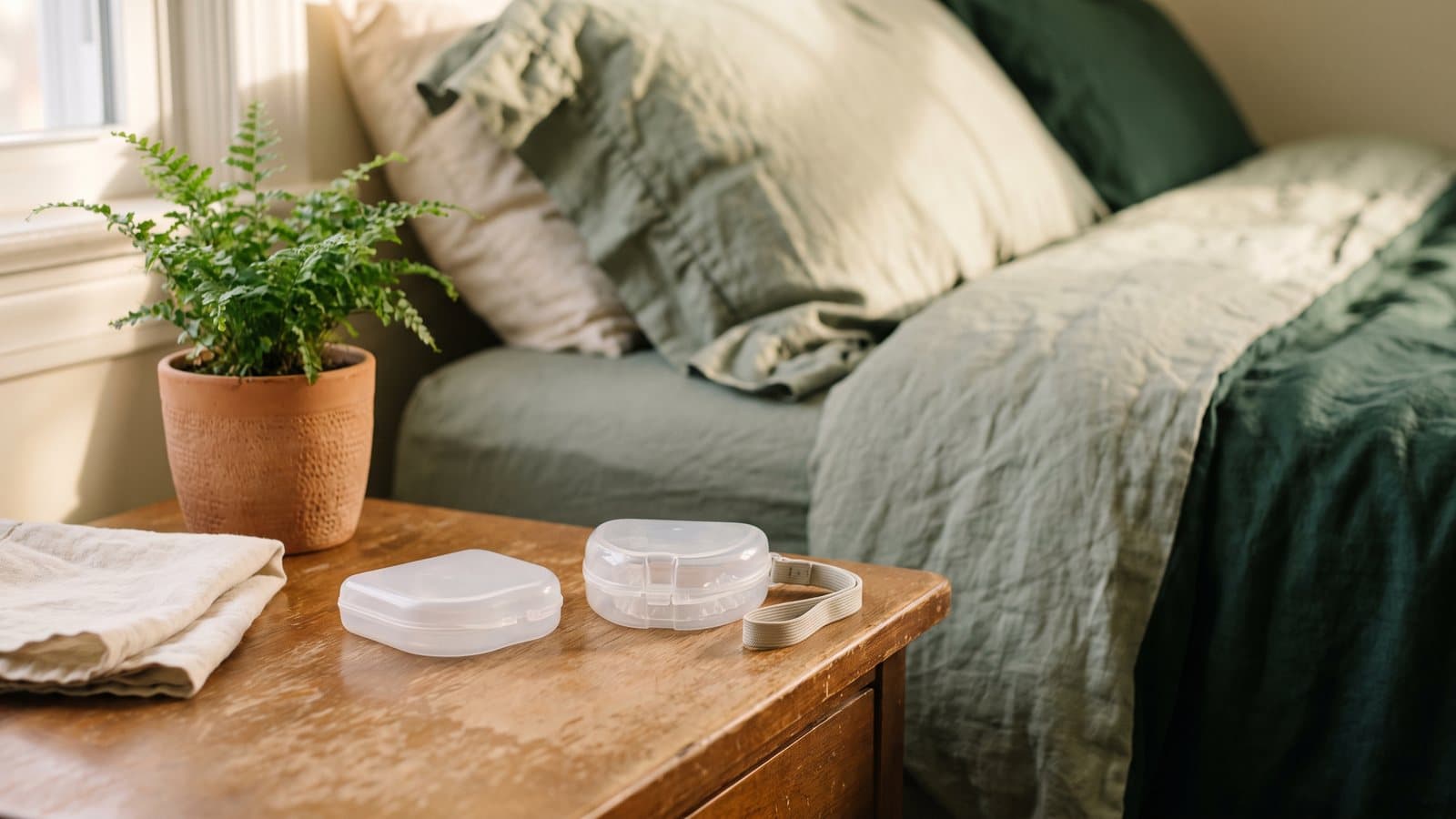
Evaluation & Treatment
Night Guard vs. Sleep Apnea Appliance: What's the Difference?
See how a standard night guard differs from a sleep apnea appliance, what the research really says, and when an evaluation helps you choose right.
Read more7 min read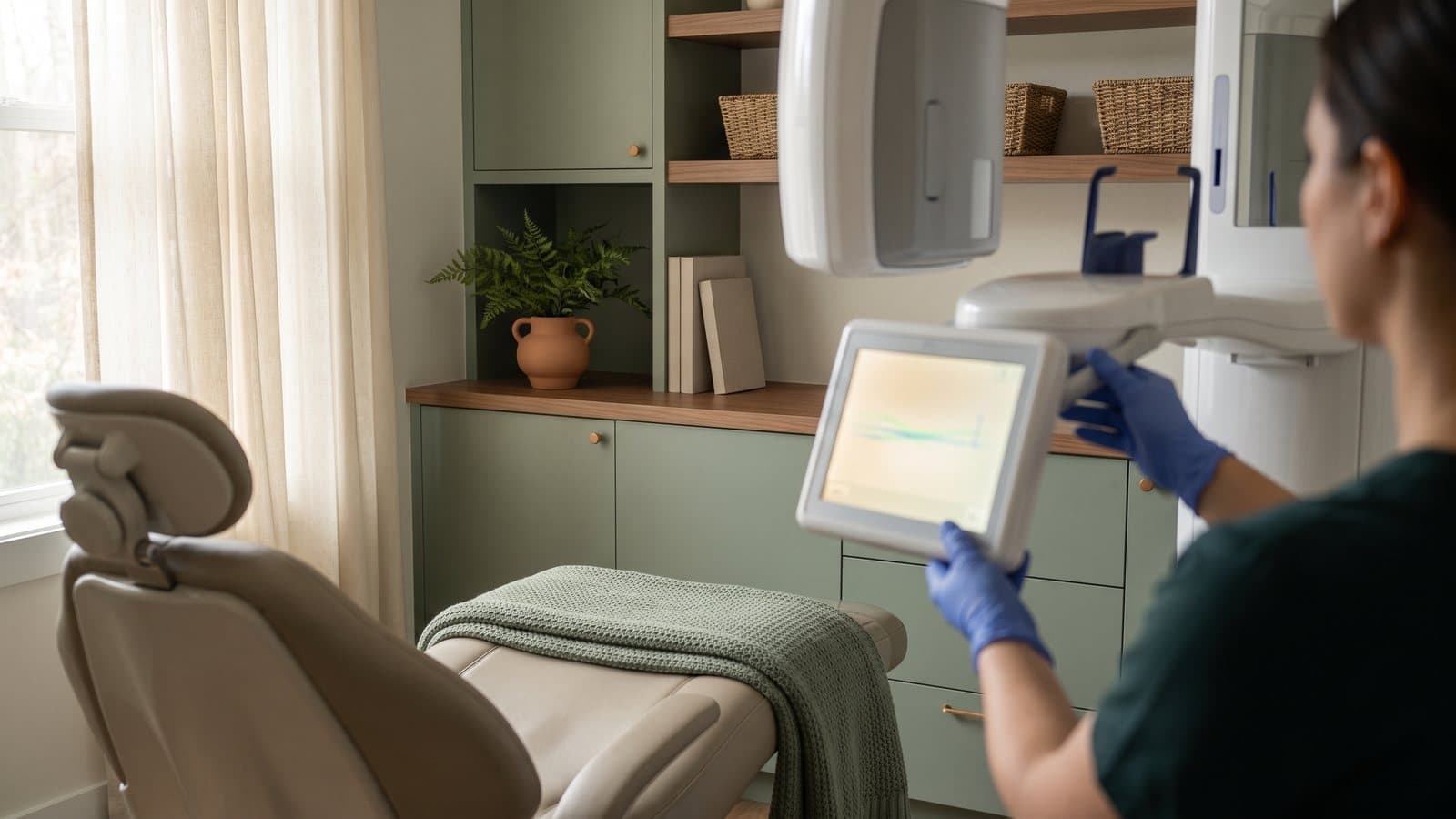
Evaluation & Treatment
Is a CBCT Scan Safe? Radiation and Airway Imaging Explained
See how much radiation a CBCT scan uses, how the ALARA principle keeps every scan low, and what Dr. Culotta looks for during your airway evaluation.
Read more7 min read
Free Sleep Apnea Quiz
Do You Have Sleep Apnea? Find Out Now
Snoring, fatigue, and restless nights could be signs of sleep apnea, a condition that affects your health more than you might realize. Take our quick, easy Sleep Apnea Quiz to uncover potential risk factors and determine if it’s time to seek expert care. In just a few minutes, you’ll gain valuable insights into your sleep health and take the first step toward better breathing, restful nights, and a healthier life. Don’t wait. Your journey to better sleep starts here!