TMJ, Jaw & Grinding
Botox for TMJ: How It Works and What to Expect
Published 7 min read

When Your Jaw Is Carrying the Season
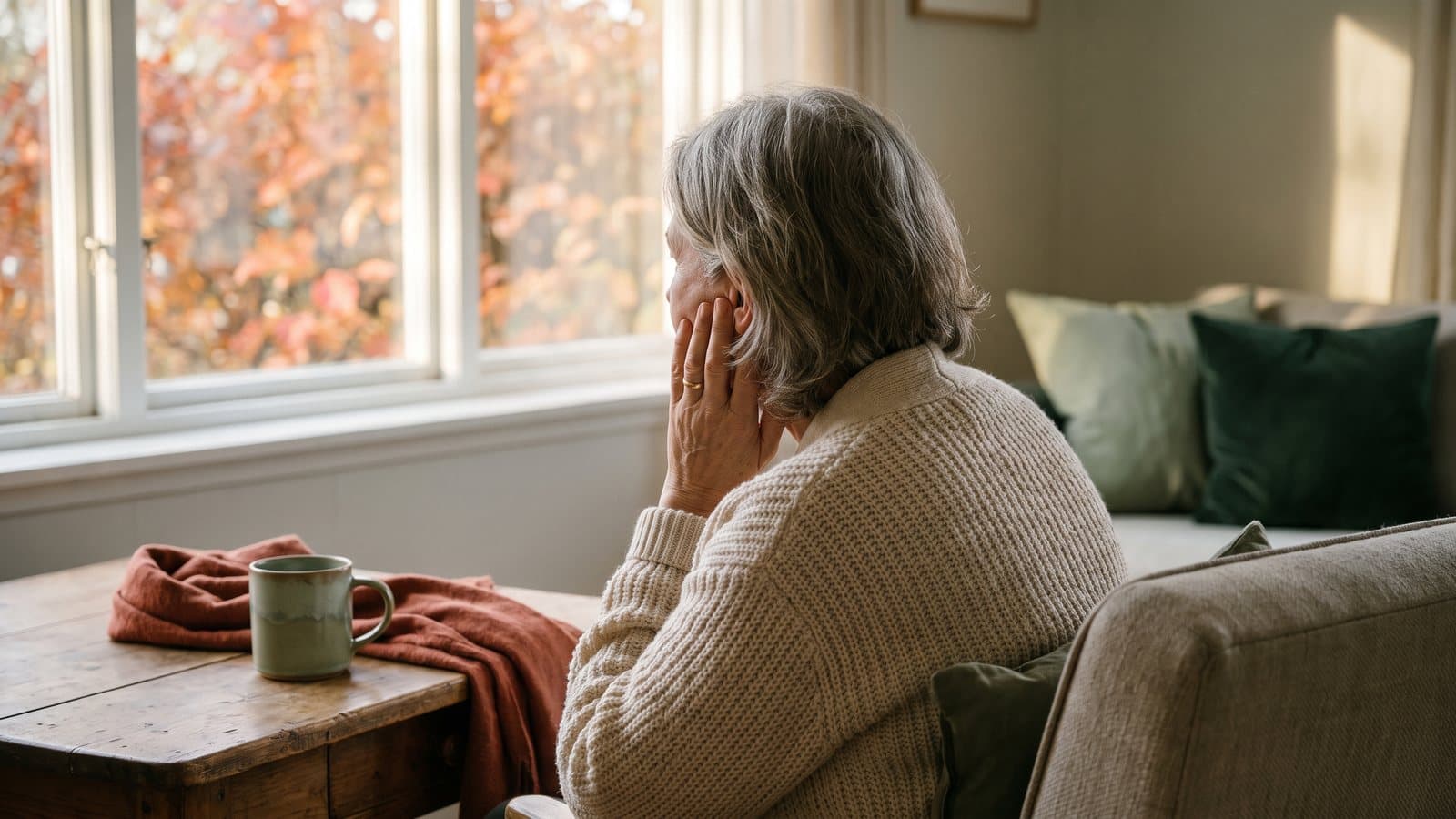
It's late October, and the calendar is filling fast with deadlines, school events, and holiday travel ahead. Sitting in traffic on MoPac, you notice your back teeth are pressed together again. Most mornings your jaw already feels tired, with a dull ache at your temples.
A friend mentions she gets Botox for TMJ pain and swears by it. It sounds simple, and now you're wondering whether it works and what actually happens at the appointment.
At Austin Sleep & Airway Health, Dr. Culotta offers Botox or other neurotoxins as one of several options for jaw pain and tension. This post covers how the treatment works, what the research says, what off-label means, and what to expect.
What Is Botox for TMJ, and How Does It Work?
TMJ stands for the temporomandibular joint, the hinge in front of each ear that connects your lower jaw to your skull. When people say they have TMJ, they usually mean a temporomandibular disorder (TMD), a group of conditions that cause pain or trouble in the jaw joints and the muscles that move them, according to the National Institute of Dental and Craniofacial Research (NIDCR).
Botox is a neurotoxin. MedlinePlus explains that it works by blocking nerve signals so an injected muscle relaxes. For jaw pain, injections usually go into the masseter along the side of the jaw and sometimes the temporalis at the temple. You can still talk and chew, but the clench carries less force.
Most research has focused on muscle-related jaw pain, not joint problems such as a displaced disc or arthritis, and the treatment relaxes the muscle without changing why it was working so hard.
Is Botox for TMJ FDA Approved?
Not for this use. NIDCR notes that botulinum toxin is FDA approved for some conditions, like migraines, but not for TMDs, so using it for jaw pain is considered off-label.
Off-label use is legal and common. The FDA explains that once a drug is approved, providers may prescribe it for an unapproved use when medically appropriate, though the FDA has not determined it is safe and effective for that purpose.
The FDA encourages patients to ask what a drug is approved for, what evidence supports an off-label use, and whether insurance will cover it. We welcome every one of those questions.
Does Botox for TMJ Actually Work? What the Research Says
The honest answer: it helps some people, and the evidence is still developing. NIDCR states that it remains unclear whether this treatment relieves TMD symptoms. A 2024 umbrella review in the journal Drugs, pulling together 18 systematic reviews, found that botulinum toxin eased muscle-related jaw pain more than a placebo did, but not more than standard treatments, and it did not improve mouth opening.
The same review's authors judged the risk of side effects in muscle and bone tissue to be higher than with other approaches, and suggested keeping it as a later option rather than a first stop. A 2020 study in the Journal of Oral Rehabilitation found no clinically meaningful bone changes among women treated in community practices. That's why we see it as one option among several, not a first choice for everyone.
What to Expect From Botox for TMJ: Before, During, and After
Before: A Real Jaw Evaluation
Treatment should start with a conversation, not a syringe. A thorough visit covers where and when it hurts, your health history, how your jaw moves, your bite, and what you've already tried.
During: A Few Small Injections
MedlinePlus describes Botox as working through injections into the targeted muscle. It happens in the office, and many people return to their day afterward, with aftercare that commonly includes staying upright for a few hours.
The First Few Weeks
Cleveland Clinic notes that most people notice initial effects within three to four days, with full results by about two weeks, as the treated muscle gradually relaxes.
How Long It Lasts
Cleveland Clinic reports that effects last about three to six months on average before muscles regain their usual movement, at which point you and your provider decide whether to repeat it or try something else.
Side Effects Worth Knowing
Reported side effects include tenderness, bruising, headache, muscle weakness, and occasionally an unwanted change in facial expression. These fade as the treatment wears off, and any change in swallowing, speaking, or breathing is worth a prompt call to your provider.
What Can You Do for TMJ Pain Right Now?
NIDCR recommends starting with conservative treatments and avoiding options that permanently change the jaw joints, teeth, or bite. It also notes that TMD symptoms often go away without treatment. Self-care includes softer foods, heat or cold with gentle jaw exercises, cutting back on gum chewing, easing jaw clenching, and making time for relaxation. MedlinePlus adds that daily stress is a common trigger for clenching, and that night guards are often used alongside it.
A simple log in the weeks before the holidays makes any evaluation more useful:
- When the ache is worst: on waking, after meals, or late in the day
- Moments you catch your teeth clenched, and what was happening
- Headaches, especially at the temples, and when they start
- Clicking, locking, or trouble opening wide
- Snoring or waking unrefreshed, if a partner has noticed
- What you've already tried, including night guards, and how it went
Our educational TMJ and craniofacial pain screening can help you organize what you're noticing before a visit.
When Jaw Pain Is Worth an Evaluation
It's worth a look if jaw pain keeps coming back, gets in the way of eating or sleeping, or if you wake up already sore, get regular morning headaches, or wear through a night guard.
Clenching alongside snoring or unrefreshing sleep deserves a mention too. A 2022 scoping review in the journal SLEEP could not confirm a link between nighttime clenching and sleep breathing in adults, so clenching doesn't mean you have a breathing problem, but the combination is worth asking about. Our guide to how snoring differs from sleep apnea explains what to watch for, and only a physician can diagnose sleep apnea, through a sleep study.
How Austin Sleep & Airway Health Approaches Botox for TMJ
Dr. Culotta is a Diplomate of the American Board of Dental Sleep Medicine with more than a decade of experience as a family dentist and myofunctional specialist. That background shapes how she looks at jaw pain, as part of how you chew, swallow, and breathe.
Your visit starts with an airway-focused exam covering the jaw joints, bite, signs of clenching or grinding, tongue posture, and nasal versus mouth breathing. When it's helpful, our in-house 3D CBCT airway imaging lets Dr. Culotta review jaw position and the airway in a scan that takes about 45 seconds.
From there, she walks you through your options, including Botox or other neurotoxins, custom splints and night guards, and the independent therapists in our Myofunctional Collaborative Space. If neurotoxin therapy is a fit, we explain its off-label status and what to expect.
Frequently Asked Questions
Will Botox for TMJ change the shape of my face?
Botox for TMJ can change your face slightly, since a relaxed masseter muscle may make the jawline look a little slimmer for a while. That reduced muscle thickness tends to fade as the muscle regains strength.
Will Botox stop me from grinding my teeth at night?
Botox can reduce how forcefully you clench and grind, but it may not stop the habit itself or address why the clenching happens in the first place. A night guard may still be recommended alongside it to protect your teeth.
Do I have to keep getting Botox for TMJ once I start?
No, you do not have to continue, since the effect is temporary and the muscle gradually regains its usual strength over the following months. Whether to repeat it, switch approaches, or stop is a decision you make with your provider.
Can I get Botox for TMJ just for clenching at night?
Some people consider Botox mainly for nighttime clenching, but clenching during sleep is worth evaluating first, since your sleep history can change which options make the most sense. We ask about snoring and headaches, and coordinate with a sleep physician if a sleep study seems worthwhile.
What kind of doctor does Botox for TMJ?
Dentists who focus on TMJ care, orofacial pain specialists, and some physicians provide Botox for TMJ, and training and approach vary from office to office. Whoever you see, look for a thorough jaw evaluation and a clear explanation of alternatives first.
Where can I get Botox for TMJ in Austin?
Austin Sleep & Airway Health offers TMJ Botox and other neurotoxin therapy, along with splints and night guards, at 1701 Simond Ave, Suite 107A, in Austin's Mueller area. Call (512) 900-9715 or email hello@austinsleephealth.com, Monday, Tuesday, Thursday, and Friday from 8:00 AM to 3:00 PM.
Talk Through Your Options Before the Holidays
If your jaw has been carrying more than its share this fall, you don't have to guess whether Botox is right for you. A calm, thorough conversation can show where neurotoxin therapy fits among your options and what else may help. Learn more about TMJ Botox therapy at Austin Sleep & Airway Health and schedule a visit when you're ready. As Dr. Culotta puts it, "Positive change is possible at any age. Awareness is the first step."
By Austin Sleep & Airway Health
This article is for general education. It is not a diagnosis and does not replace an evaluation with a qualified provider.
Relief for overworked jaw muscles
Learn how personalized TMJ neurotoxin therapy fits into a root-cause plan for jaw pain and tension.
Keep Reading
Related articles
TMJ, Jaw & Grinding
TMJ and Ear Pain: Why Your Jaw Can Affect Your Ears
TMJ ear pain can feel just like an infection. Learn why your jaw affects your ears, how to tell the difference, and what to track before a visit.
Read more7 min read
TMJ, Jaw & Grinding
Jaw Clicking and Popping: When It's Worth a Look
Jaw clicking or popping when you chew, yawn, or talk is common. Here is what causes it, what is normal, and when it is worth a jaw evaluation.
Read more7 min read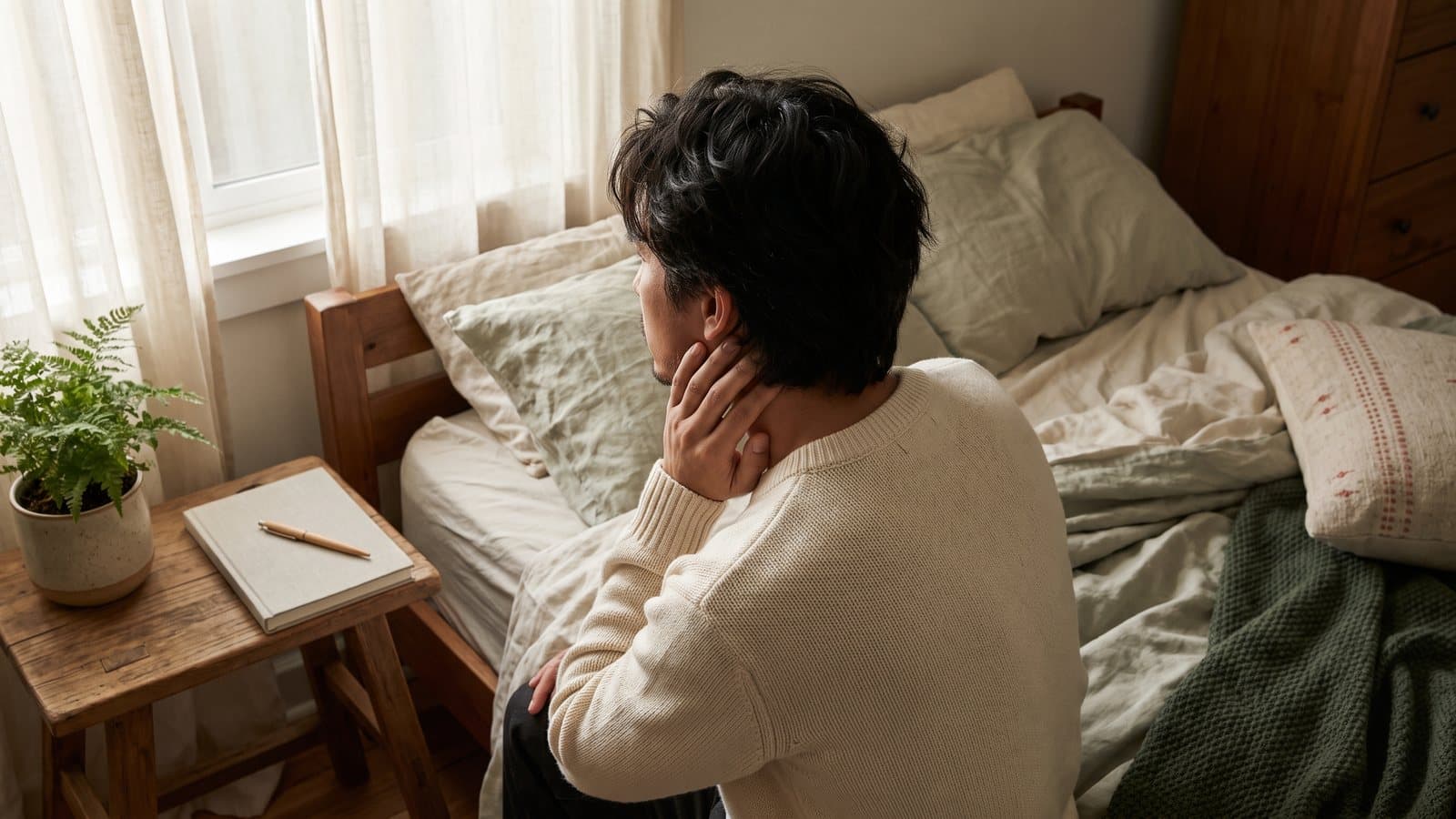
TMJ, Jaw & Grinding
Teeth Grinding at Night: Stress, Sleep, and Your Airway
Grinding your teeth at night is often blamed on stress, but sleep and airway patterns can play a role too. Here is what to track and watch for.
Read more7 min read
Free Sleep Apnea Quiz
Do You Have Sleep Apnea? Find Out Now
Snoring, fatigue, and restless nights could be signs of sleep apnea, a condition that affects your health more than you might realize. Take our quick, easy Sleep Apnea Quiz to uncover potential risk factors and determine if it’s time to seek expert care. In just a few minutes, you’ll gain valuable insights into your sleep health and take the first step toward better breathing, restful nights, and a healthier life. Don’t wait. Your journey to better sleep starts here!