
TMJ, Jaw & Grinding
Clenching Your Jaw During the Day: Workouts, Screens, and Focus
Published 7 min read
The Moment You Notice Your Teeth Are Touching
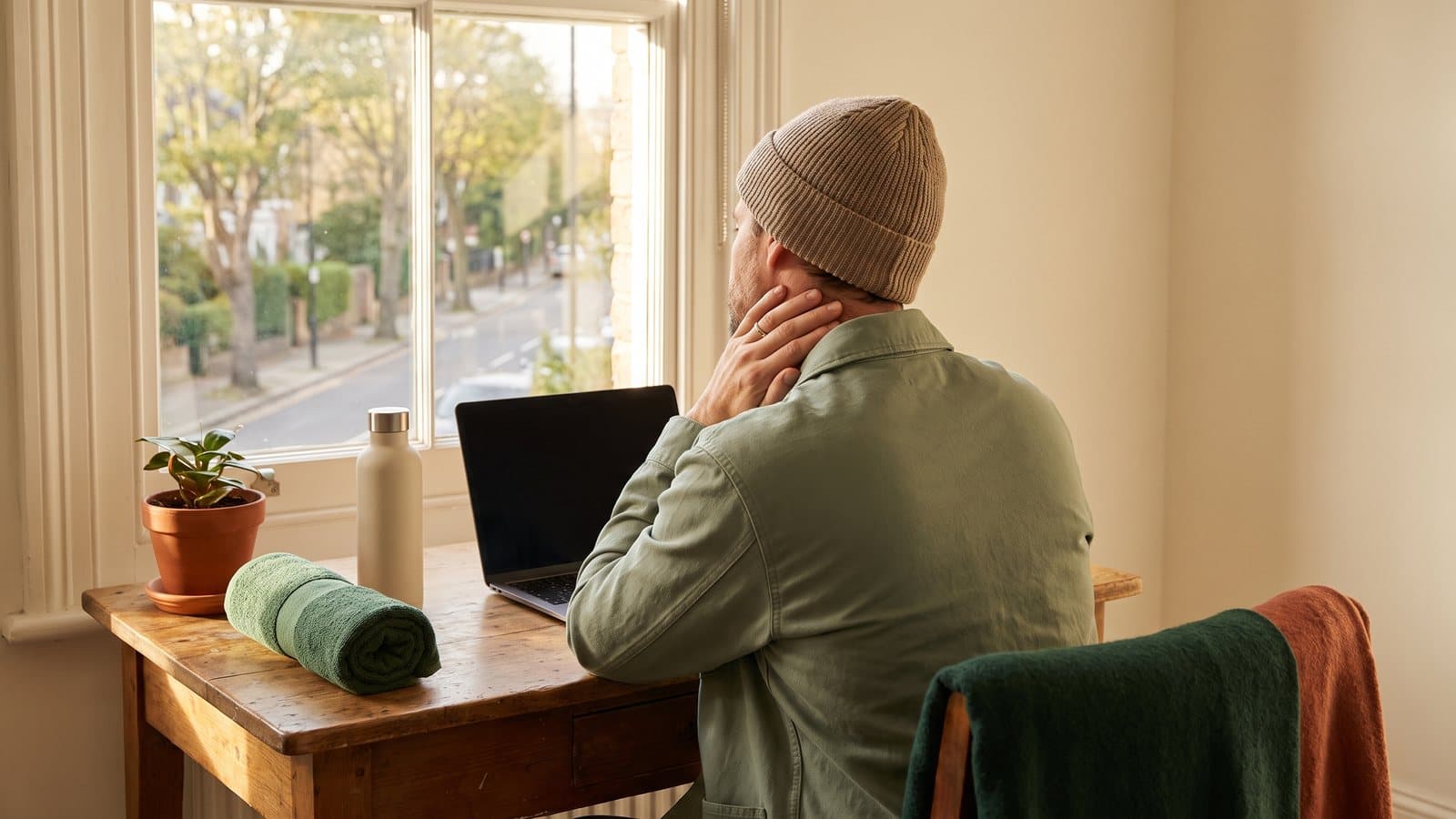
You are halfway through a heavy set of squats, or deep into a spreadsheet the night before a deadline, and you suddenly realize your back teeth are pressed together hard. Your temples feel tight. You had no idea you were doing it.
Clenching your jaw during the day is one of those habits most people only catch by accident. Early October makes it easy to miss: fall training plans are ramping up, the semester is at its midpoint, and work deadlines stack up before the holidays.
At Austin Sleep & Airway Health, we talk with a lot of people who notice daytime clenching and wonder whether it matters. This post covers why it happens, how it differs from grinding at night, what you can try on your own, and when it is worth a closer look.
Why Do I Clench My Jaw When I'm Concentrating?
The short answer: for many people, the jaw tenses along with the rest of the body when the brain is working hard. Cleveland Clinic notes that you might notice your jaw clenching when you are concentrating hard on something, and that anxiety, stress, or anger can also bring it on.
Researchers call this pattern awake bruxism. An international group of bruxism experts, publishing in the Journal of Oral Rehabilitation, describes bruxism as repetitive jaw muscle activity that includes clenching or grinding the teeth, or bracing or thrusting the lower jaw, and separates it into awake and sleep forms.
Screens can add to it. Long stretches of close focus tend to come with a still, forward head posture, shallow breathing, and shoulders creeping toward the ears. The jaw often tightens as part of that whole braced posture, which is why clenching tends to show up during emails, gaming, studying, or driving in traffic on MoPac.
Is Clenching While Lifting Weights Bad for Your Jaw?
Bracing through a hard lift is a natural reflex. The question is how often and how hard it happens, and whether your teeth and jaw show signs of it over time.
A small 2024 study published in the Journal of Dental Hygiene Science compared 15 professional fitness trainers with more than five years of weight training to 15 people who did not exercise. The trainers reported clenching habits more often and showed significant differences in bite force and tooth cracks, along with a reduced maximum mouth opening, and the authors suggested that high-intensity training with clenching may affect teeth and the jaw joint. Separate research published in the Dental Press Journal of Orthodontics in 2024 found that about six in ten of the 57 CrossFit practitioners studied reported clenching during training.
These are small studies, so they point to a pattern worth noticing rather than a firm conclusion. If you train hard and also notice jaw soreness, chipped edges, or tired chewing muscles, it is worth mentioning at your next dental visit. A dentist can talk through whether a custom sports mouthguard or other protection makes sense for how you train.
Is Daytime Clenching the Same as Grinding at Night?
They are related but not the same. Awake clenching happens while you are conscious, so you can learn to catch it. Sleep bruxism happens without awareness, and Cleveland Clinic notes it can cause more harm than daytime bruxing precisely because you do not realize it is happening.
The two can coexist. MedlinePlus notes that for some people, relaxing and changing daytime behavior is enough to reduce nighttime bruxism, which is one reason daytime awareness is a useful place to start.
Sleep grinding also has a separate story. Research suggests sleep bruxism and obstructive sleep apnea often show up in the same people, though one does not necessarily cause the other. Our guide to teeth grinding at night and your airway covers that connection in depth, and if mornings bring head pain, why you might wake up with a headache is a helpful next read.
How to Stop Clenching Your Jaw During the Day
Awake clenching is largely a habit and tension pattern, which is good news: habits respond to awareness. The National Institute of Dental and Craniofacial Research (NIDCR) lists becoming aware of and reducing habits like jaw clenching, gum chewing, and nail biting as part of conservative self care.
Build Simple Check-Ins
The classic cue is lips together, teeth apart, with your jaw muscles soft. Many people set a phone reminder every 20 to 30 minutes, stick a small dot on their monitor, or check in every time they send an email or finish a set.
Pair It With Posture and Breathing
At each check-in, drop your shoulders, bring your head back over your spine, and take a slow breath through your nose. MedlinePlus suggests relaxing your face and jaw muscles throughout the day with the goal of making facial relaxation a habit.
Keep a One-Week Log
For about a week, jot down when you catch yourself clenching. Note the setting (workout, screen, commute, deadline), the time of day, and any jaw soreness, headaches, or ear fullness. Bring that log to your visit, along with anything a partner has noticed at night.
Can Daytime Clenching Cause Headaches or Jaw Pain?
It can contribute. Cleveland Clinic lists headaches or facial pain and sore jaw muscles among the symptoms of bruxism. Headaches that build toward the end of a long workday, a jaw that feels tired after training, or clicking that shows up during stressful weeks are all worth a look.
It is worth scheduling an evaluation if soreness lasts more than a couple of weeks, your jaw catches or feels stiff, you notice cracked or worn teeth, or you suspect you grind at night as well. If you have also noticed a new click, our post on jaw clicking and popping explains when that sound matters.
How Austin Sleep & Airway Health Helps With Daytime Jaw Clenching
Dr. Kacie Culotta, DMD, is a Diplomate of the American Board of Dental Sleep Medicine with more than a decade of experience as a family dentist and myofunctional specialist.
A visit starts with your history and whatever you have tracked, followed by an airway-focused exam of your jaw joints, bite, tongue mobility and resting posture, nasal versus mouth breathing, and signs of clenching or grinding. When helpful, in-house 3D CBCT imaging gives Dr. Culotta a look at jaw position and airway structures in about 45 seconds. If night grinding or sleep symptoms are part of the story, she can help coordinate with your physician about sleep testing.
From there, options may include habit coaching, a night guard or splint, work with the independent myofunctional therapists in our Myofunctional Collaborative Space, or Botox for TMJ muscle tension. As Dr. Culotta puts it, "Positive change is possible at any age. Awareness is the first step."
Frequently Asked Questions
Why do I clench my jaw when I'm concentrating?
Many people clench while concentrating because the jaw muscles tense along with the rest of the body during mental effort, stress, or long periods of close screen focus.
Is clenching my teeth while lifting weights bad for my teeth?
Occasional bracing during a heavy lift is common, but frequent hard clenching during training may add wear and strain to your teeth and jaw over time. Small studies of weight trainers have found more clenching habits and signs of tooth wear or cracks, so it is worth raising with your dentist.
Is daytime clenching the same as night grinding?
Daytime clenching and night grinding are both forms of bruxism, but one happens while you are awake and the other happens during sleep without your awareness. They can happen in the same person, and sleep grinding may have different contributors, including airway factors worth a look.
Can daytime jaw clenching cause headaches?
Daytime jaw clenching can contribute to tension in the jaw and temple muscles, and many people notice headaches or facial soreness after long stretches of clenching.
Will a night guard help if I only clench during the day?
A night guard protects teeth during sleep, so it is not usually the first step for clenching that happens only while you are awake. Daytime awareness habits come first, and our post on night guards versus sleep apnea appliances explains how different appliances serve different purposes.
Can clenching my jaw cause ear pain or fullness?
Clenching can strain the jaw joints and muscles that sit just in front of your ears, so some people feel ear pressure or aching that actually starts in the jaw. Our guide to TMJ and ear pain walks through that connection.
Where can I get help for jaw clenching in Austin?
Austin Sleep & Airway Health evaluates jaw clenching, grinding, and TMJ concerns at 1701 Simond Ave, Suite 107A, in Austin's Mueller area. Call (512) 900-9715 or email hello@austinsleephealth.com, Monday, Tuesday, Thursday, and Friday from 8:00 AM to 3:00 PM.
Give Your Jaw a Break This Fall
If your jaw has been working as hard as you have this season, you do not have to figure it out alone. Our educational TMJ and craniofacial pain screening helps you organize what you are noticing before a calm, thorough visit with Dr. Culotta.
By Austin Sleep & Airway Health
This article is for general education. It is not a diagnosis and does not replace an evaluation with a qualified provider.
Jaw, face, or head pain that keeps coming back?
Our educational craniofacial pain and TMJ screening helps you organize your symptoms before an evaluation.
Keep Reading
Related articles
TMJ, Jaw & Grinding
TMJ and Ear Pain: Why Your Jaw Can Affect Your Ears
TMJ ear pain can feel just like an infection. Learn why your jaw affects your ears, how to tell the difference, and what to track before a visit.
Read more7 min read
TMJ, Jaw & Grinding
Jaw Clicking and Popping: When It's Worth a Look
Jaw clicking or popping when you chew, yawn, or talk is common. Here is what causes it, what is normal, and when it is worth a jaw evaluation.
Read more7 min read
TMJ, Jaw & Grinding
Teeth Grinding at Night: Stress, Sleep, and Your Airway
Grinding your teeth at night is often blamed on stress, but sleep and airway patterns can play a role too. Here is what to track and watch for.
Read more7 min read