
Sleep Apnea & Snoring
Waking Up With a Headache? What It Could Mean
Published 7 min read

Waking Up With a Headache Before the Coffee Even Brews
It is already warm at six in the morning in July, the kind of Austin night where the air conditioner clicked off sometime after midnight and the bedroom slowly caught up to the heat outside. You open your eyes with a dull, tight ache across your forehead or temples before your feet even hit the floor. Your mouth feels dry, your jaw feels tired, and the day has not started yet.
Waking up with a headache like this is common enough that most people push through it with a big glass of water and get on with the morning. When it happens night after night, especially through a hot Texas summer, it is worth understanding what is actually going on.
At Austin Sleep & Airway Health, we hear about morning headaches often this time of year. This guide walks through the most common reasons you might be waking up with a headache, from summer dehydration to jaw clenching to your breathing overnight, what to track, and when it is worth a closer look.
What Is Really Causing Your Morning Headache?
A headache that greets you before breakfast usually traces back to one of a handful of overlapping causes: not enough fluid overnight, jaw muscle tension from clenching or grinding, an unsupportive sleep position, or a breathing pattern worth mentioning to your doctor. Often it is a combination rather than a single culprit, and the clues that sort out which one matters most are simple: where the ache sits, how it feels, and what else was different about that night. The next few sections walk through each possibility.
Could Dehydration Be Behind Your Morning Headache?
Austin summers push overnight temperatures into the 70s and 80s, and a bedroom that runs warm, or air conditioning that runs constantly and dries out the air, can leave you starting the day short on fluids. MedlinePlus lists thirst, a dry mouth, dark colored urine, tiredness, and dizziness among the common signs of dehydration, and many people notice a dull headache alongside those same signs after a hot night.
A headache tied to dehydration usually eases within an hour or two of water and cooling down, and it tends to track with the season, more common after a night with the thermostat set high or a long day outside. If it shows up mainly during the hottest stretch of summer, dehydration is a reasonable first place to look.
Is Jaw Clenching or TMJ Causing You to Wake Up With a Headache?
A headache that sits at your temples, behind your eyes, or along the sides of your jaw can point somewhere else entirely: the muscles that move your jaw. The National Institute of Dental and Craniofacial Research lists headaches associated with a TMD, a temporomandibular disorder, as one of the three main categories of jaw joint and muscle problems.
Many people clench or grind their teeth overnight without realizing it, until a partner mentions the sound, or until their jaw feels tired and their teeth feel sensitive first thing in the morning. That overnight tension can radiate up into the temples and scalp by the time you wake up, especially alongside jaw clicking, popping, or a bite that feels off. If grinding your teeth at night already sounds familiar, or your jaw is the bigger complaint, our guide on jaw clicking and popping covers those signs in more depth.
Could Sleep Apnea Be a Factor in Morning Headaches?
Breathing overnight is the third piece worth considering. The National Heart, Lung, and Blood Institute lists headache, more common in women, alongside dry mouth and daytime fatigue among the possible symptoms of sleep apnea, a condition in which breathing repeatedly slows or pauses during sleep. Repeated dips in oxygen and fragmented sleep overnight may leave some people waking up with a dull headache that tends to fade within the first hour or two of the day.
This does not mean every morning headache points to sleep apnea. It is simply one more pattern worth noticing, particularly if it shows up alongside loud snoring, gasping, or pauses in breathing that a partner has mentioned. Our guide on telling snoring from sleep apnea can help you sort out which pattern sounds more like yours. Only a physician can diagnose sleep apnea, through a sleep study.
What to Track If You Keep Waking Up With a Headache
You do not need a medical background to start noticing patterns. Over a week or two, jot down when the headache shows up, roughly where it sits, how much water you drank the evening before, how warm the room felt, whether you remember clenching your jaw, and whether anyone mentioned snoring or gasping.
Also note how long the headache lasts once you are up, and whether it eases with water and a cooler room or lingers. That pattern gives Dr. Culotta or your physician something specific to work from, rather than a vague sense that mornings feel rough.
When a Morning Headache Is Worth a Closer Look
An occasional headache after a hot night, or a late one, is common and usually nothing to worry about. It is worth a closer look when morning headaches happen several times a week, come with a tired or sore jaw, jaw clicking, or teeth that feel more sensitive than usual, or when a partner has mentioned snoring, gasping, or pauses in your breathing.
The same is true if headaches persist even on well hydrated, cool nights. None of these signs confirm anything on their own. It is simply a pattern worth describing to your physician, or bringing to an airway focused evaluation, so the right next step can be sorted out.
How Austin Sleep & Airway Health Helps With Morning Headaches
Dr. Kacie Culotta, DMD, is a Diplomate of the American Board of Dental Sleep Medicine and a Qualified Dentist with the American Academy of Dental Sleep Medicine. When jaw tension or airway concerns are part of what is behind a morning headache, an airway focused exam looks at tongue mobility, palate width, bite, jaw joints, tonsil size, nasal versus mouth breathing, and signs of clenching or grinding, along with a detailed sleep and health history.
When it is useful, we also offer in-house 3D CBCT airway imaging, a scan that takes about 45 seconds and uses a low dose to show airway shape, volume, and structures such as the tonsils, adenoids, and jaw position. It is an awake, upright snapshot, not a sleep study, and it does not diagnose sleep apnea on its own.
If jaw clenching and TMJ tension look like the bigger piece of the picture, we discuss options such as TMJ Botox therapy or an oral splint alongside myofunctional support. If breathing overnight looks like the bigger factor, we coordinate with your physician on sleep testing, since only a physician can diagnose sleep apnea. As Dr. Culotta puts it, "It's never too late to breathe, sleep, and feel better."
Frequently Asked Questions
Why do I wake up with a headache almost every morning?
A headache most mornings is usually tied to one of a few overlapping causes: dehydration, jaw clenching overnight, sleep position, or a breathing pattern worth mentioning to your doctor. Tracking when it happens, how it feels, and what else changed that night, such as heat, water intake, jaw tension, or snoring, usually points toward the most likely cause.
Can dehydration cause a headache when I wake up?
Yes, dehydration is a common and often overlooked cause of morning headaches, especially during hot Texas summers when overnight fluid loss adds up. MedlinePlus lists thirst, a dry mouth, dark colored urine, and fatigue among the common signs of dehydration, and a headache often shows up alongside those same signs.
Does teeth grinding cause morning headaches?
Teeth grinding and jaw clenching overnight can leave the jaw muscles tense enough that the tension radiates into the temples and scalp by morning. The National Institute of Dental and Craniofacial Research lists headaches as one of the main categories of temporomandibular disorders, the group of conditions people often call TMJ.
Can sleep apnea cause headaches in the morning?
Sleep apnea can be one factor behind morning headaches, and the National Heart, Lung, and Blood Institute lists headache as a possible symptom, more common in women than men. This does not mean every morning headache points to sleep apnea, and only a physician can diagnose it, through a sleep study.
Could my mattress or sleep position affect my morning headaches?
Sleep position and an unsupportive mattress or pillow can contribute to morning headaches by straining the neck and jaw muscles overnight. It is worth noticing whether the headache changes when you switch pillows or positions, alongside the other patterns like hydration and jaw tension.
Where can I get a TMJ or airway evaluation for morning headaches in Austin?
Austin Sleep & Airway Health, at 1701 Simond Ave, Suite 107A in the Mueller area, offers airway focused evaluations that look at jaw tension and breathing patterns behind your headaches. Call (512) 900-9715 or email hello@austinsleephealth.com to schedule; we are open Monday, Tuesday, Thursday, and Friday.
Start With a TMJ and Craniofacial Pain Screening
If mornings keep starting with a headache, especially through a hot Austin summer, our TMJ and craniofacial pain screening is a simple, educational place to start. It will not diagnose anything on its own, but your answers can help you and Dr. Culotta figure out whether jaw tension, airway concerns, or something else is the more likely piece, and what evaluation makes sense next.
By Austin Sleep & Airway Health
This article is for general education. It is not a diagnosis and does not replace an evaluation with a qualified provider.
Jaw, face, or head pain that keeps coming back?
Our educational craniofacial pain and TMJ screening helps you organize your symptoms before an evaluation.
Keep Reading
Related articles

Sleep Apnea & Snoring
Acid Reflux at Night and Sleep Apnea: How They Connect
Acid reflux and sleep apnea often overlap at night. Here is what research says about the connection, what to notice, and when to get it checked.
Read more7 min read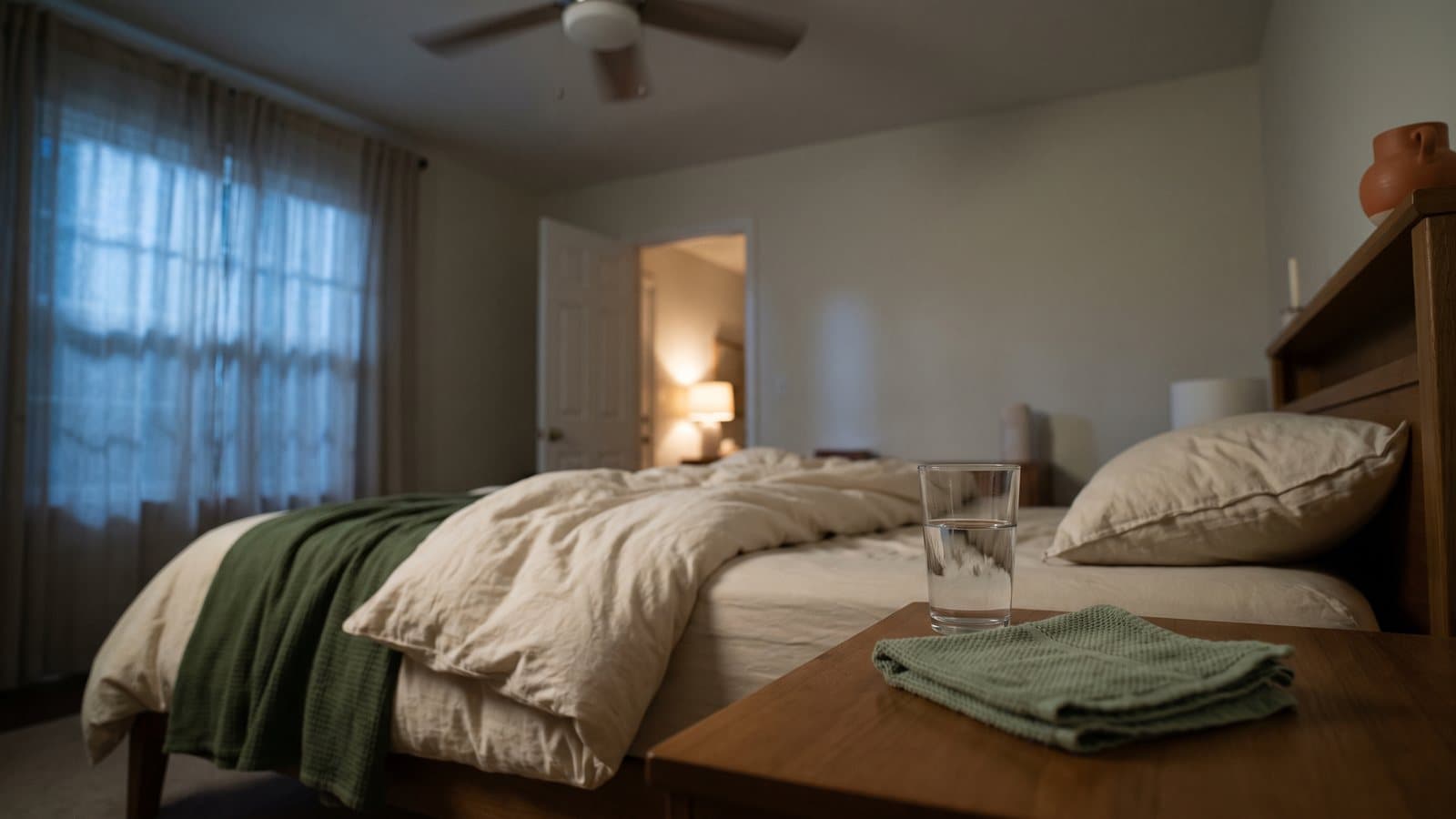
Sleep Apnea & Snoring
Waking Up to Pee at Night: A Sleep Apnea Connection?
Waking up to pee at night more than once? It could be summer hydration, or your airway. Here is what is normal and worth mentioning at a visit.
Read more7 min read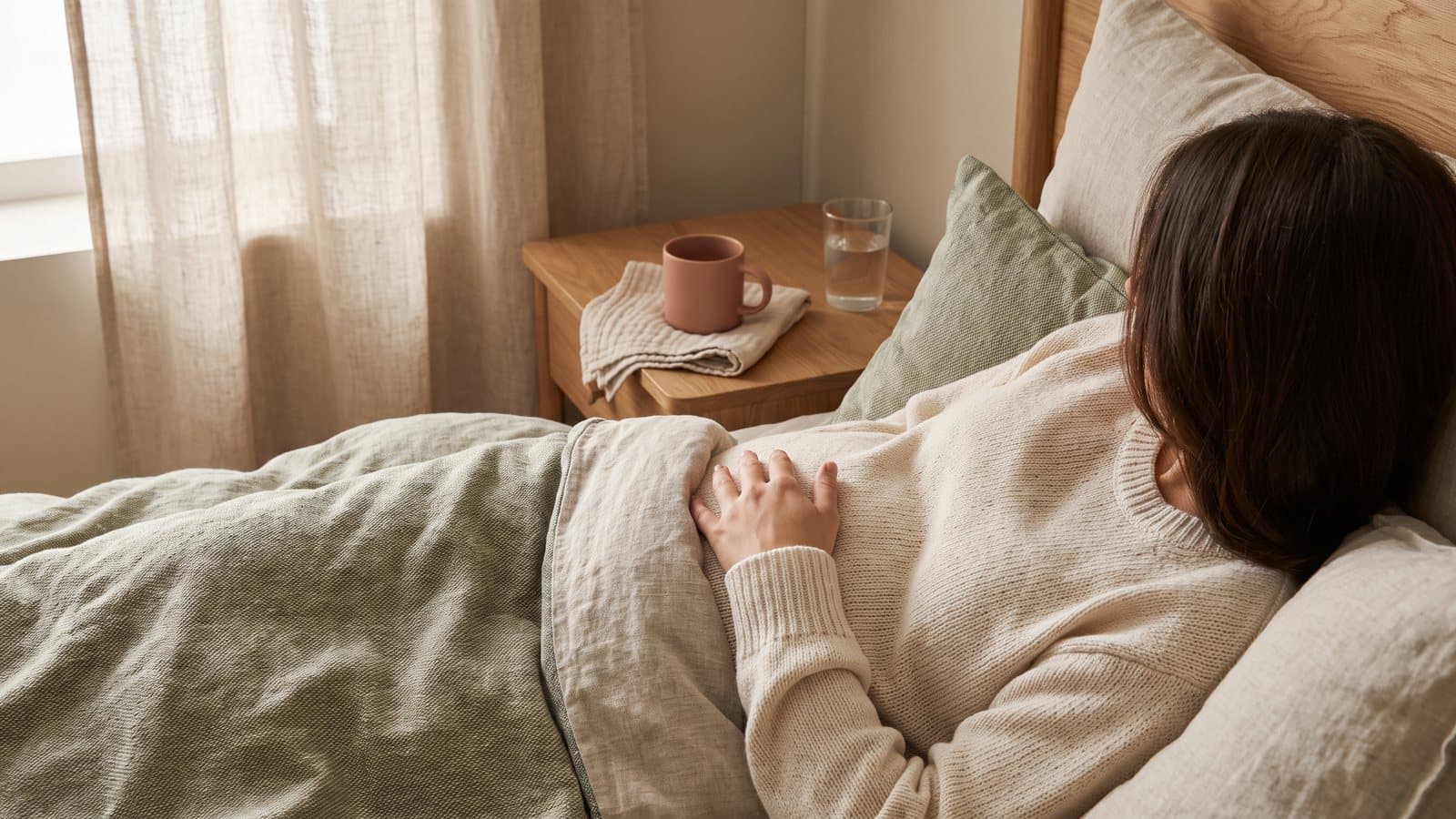
Sleep Apnea & Snoring
Snoring During Pregnancy: What's Common and When to Ask
Snoring during pregnancy is common, especially by the third trimester. What causes it, what to track, and when it is worth asking your OB or midwife.
Read more7 min read