Sleep Apnea & Snoring
Waking Up Gasping for Air at Night: Anxiety, Airway, or Both?
Published 7 min read
That 3 AM Jolt
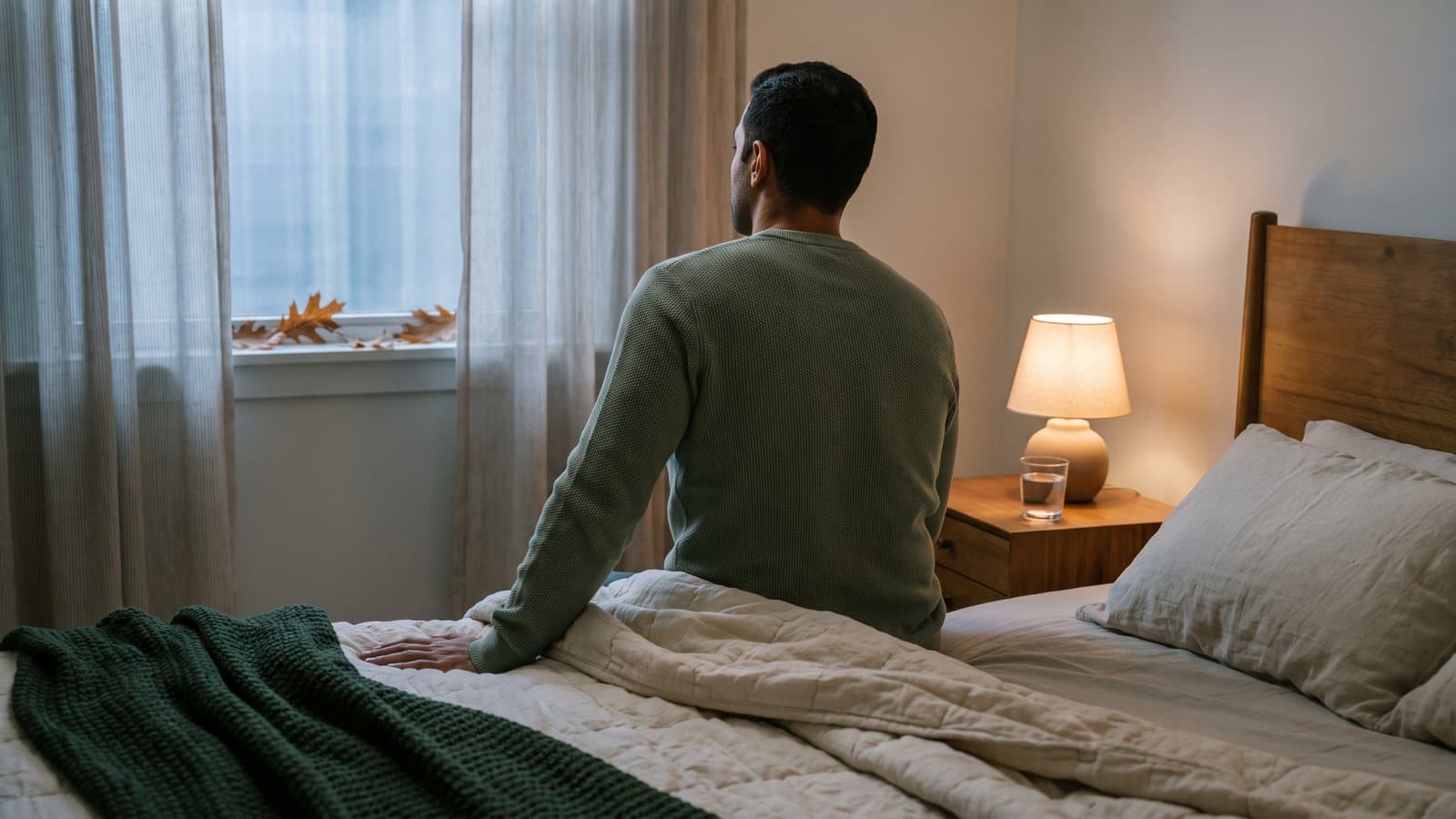
It is the middle of the night. You are suddenly awake, heart pounding, pulling in a big breath as if you just surfaced from a swim. A minute later it passes, and you lie there wondering what just happened and whether it will happen again.
Waking up gasping for air is more common than most people realize, and it has more than one possible explanation. Fall can make it feel more frequent: work deadlines pick up, school calendars fill, and the end of daylight saving time in early November shifts everyone's sleep schedule. Stress and broken sleep tend to travel together.
At Austin Sleep & Airway Health, we hear this question often: is it anxiety, or is it my airway? This guide walks through the common causes, the patterns that make a closer look worthwhile, and simple things you can track before talking with your doctor.
Why Do I Wake Up Gasping for Air?
The short answer: several things can cause it, and most are manageable once you know which one is in play. Health resources such as Healthline and WebMD list a similar set of possibilities.
Common causes worth knowing
- Sleep starts (hypnic jerks). These sudden twitches happen as you drift off, sometimes with a falling sensation and a startled breath. The Sleep Foundation describes them as common and generally harmless.
- Nocturnal panic. A panic episode can wake you from sleep with a racing heart, sweating, and a feeling of not getting enough air. Cleveland Clinic notes these episodes usually peak within about 10 minutes.
- Reflux. Stomach acid moving up toward the throat at night can trigger coughing or a choking feeling. Our post on acid reflux and sleep apnea covers how the two connect.
- Congestion or postnasal drip. A blocked nose or drainage in the throat can make breathing feel harder lying down, especially during fall allergy season.
- Alcohol close to bedtime. Alcohol relaxes the muscles around the airway, which can make snoring and breathing interruptions more likely.
- Sleep apnea. The National Heart, Lung, and Blood Institute (NHLBI) lists gasping for air, breathing that starts and stops, and loud snoring among the nighttime symptoms of sleep apnea.
Heart and lung conditions can also play a role, which is one more reason repeated episodes are worth mentioning to your physician.
Anxiety or Sleep Apnea: Can It Be Both?
Yes, and that overlap is the most important thing to understand. Waking up suddenly with a choking or smothering sensation feels frightening, and a frightening wake-up can easily feel like panic, whatever started it.
Research has looked at this connection. A large population study published in the Annals of Family Medicine in 2015, using health records from Taiwan, found that people diagnosed with sleep apnea were more likely to be diagnosed with panic disorder later. The authors described it as an association, noted limitations such as reliance on insurance claims data, and suggested that repeated arousals from sleep and waking with a choking feeling may be part of the link.
What that means for you: feeling anxious during these episodes does not rule out an airway piece, and having a breathing piece does not mean anxiety is imaginary. Both deserve attention from the right professionals. Panic and mental health concerns belong with your physician or a mental health provider. Questions about your airway and breathing during sleep are where a sleep evaluation can help.
Patterns That Point Toward Your Airway
No single sign confirms anything, but some patterns tend to show up alongside airway-related sleep issues. They are worth a look if you notice several together.
Signs during the night
Loud, regular snoring is one. A bed partner noticing pauses in your breathing, followed by a snort or gasp, is another; NHLBI notes that many people do not know about their nighttime symptoms until someone else tells them. Waking often to urinate also appears on NHLBI's list, and our post on waking up to pee at night explains why.
Signs during the day
Feeling unrefreshed after a full night, nodding off in quiet moments, dry mouth, and morning headaches can all fit the picture. If headaches greet you most mornings, our guide to waking up with headaches goes deeper.
Patterns that lean more toward anxiety include episodes that cluster around stressful weeks, daytime worry or panic, and no snoring or witnessed pauses. Even then, a physician is the right person to sort it out.
What You Can Track Starting Tonight
A simple two-week log turns a scary blur into useful information. Each morning, jot down whether you woke gasping, roughly what time, and how you felt in that moment: fear first, or air hunger first.
Note what came before bed: alcohol, a late meal, a stressful day, congestion, or a late screen session. Ask a partner whether you snored or seemed to stop breathing, or use an overnight phone recording if you sleep alone. Track daytime energy, morning headaches, and nighttime bathroom trips too.
As daylight saving time ends in early November, notice whether the schedule shift changes anything. Bring the log, along with any past sleep study results, to your doctor or to an airway evaluation. If you ever have chest pain or trouble breathing while you are awake, seek urgent medical care.
When Waking Up Gasping for Air Is Worth an Evaluation
An occasional startle as you fall asleep is usually nothing to chase. It is worth a closer look if you wake gasping regularly, if it comes with loud snoring or pauses a partner has noticed, or if you feel tired most days despite enough time in bed.
Only a physician can diagnose sleep apnea, and that happens through a sleep study, either at home or in a lab. Our post on the home sleep test versus a lab study explains the difference. If anxiety seems to be the main driver, your physician or a mental health provider can talk through next steps with you.
How Austin Sleep & Airway Health Helps With Nighttime Breathing Concerns
Dr. Culotta looks at the airway as a whole. Her airway-focused exam covers nasal versus mouth breathing, tongue mobility and resting posture, oral ties, palate width, bite, jaw joints, tonsil size, signs of clenching or grinding, and a detailed sleep and health history.
When more detail helps, we use in-house 3D CBCT airway imaging. The scan takes about 45 seconds at a low dose and shows airway shape and volume, nasal passages, tonsils, adenoids, and jaw position. It is an awake, upright snapshot, not a sleep study, so it does not diagnose sleep apnea.
We help coordinate sleep testing with your physician and work alongside sleep physicians, ENTs, myofunctional therapists, and primary care. If a physician diagnoses sleep apnea, oral appliance therapy is one option alongside CPAP, which is an effective, well-established treatment, and some people use both. As Dr. Culotta says, "Positive change is possible at any age. Awareness is the first step."
Frequently Asked Questions
Why do I wake up gasping for air?
Waking up gasping can come from sleep starts, nighttime panic, reflux, congestion, alcohol, or sleep apnea. If it happens regularly or comes with snoring and daytime tiredness, it is worth mentioning to your doctor.
How can I tell if it is anxiety or sleep apnea?
You cannot reliably tell on your own, because the two can feel similar and can happen together. Snoring and pauses a partner notices lean toward the airway, while daytime worry and stress-linked episodes lean toward anxiety.
Can sleep apnea cause panic attacks at night?
Research suggests a connection, though it does not prove one causes the other. A 2015 study in the Annals of Family Medicine found people with sleep apnea were more likely to later be diagnosed with panic disorder.
Is waking up gasping for air the same as a hypnic jerk?
Not always; a hypnic jerk happens right as you fall asleep and often feels like falling. Gasping that wakes you later in the night, or repeats across the night, is a different pattern worth tracking.
Can stress make sleep apnea symptoms feel worse?
Stress and short sleep can make any nighttime waking feel more intense, and stressful seasons often bring later bedtimes and more evening alcohol. Tracking those habits alongside your episodes helps your doctor see the full picture.
Who should I see first if I keep waking up gasping?
Start with your primary care physician, who can look at your overall health and refer you for a sleep study if needed. For panic or anxiety concerns, a mental health provider is a helpful partner too.
Where can I get my airway evaluated for nighttime gasping in Austin?
Austin Sleep & Airway Health, at 1701 Simond Ave, Suite 107A in the Mueller area, offers airway-focused evaluations and helps coordinate sleep testing. Call (512) 900-9715 or email hello@austinsleephealth.com.
A Calm First Step
If nighttime gasping has you wondering, you do not have to figure it out alone. Our adult sleep apnea screening is a short, educational starting point that can help you decide whether an airway evaluation or a conversation with your physician about a sleep study makes sense for you.
By Austin Sleep & Airway Health
This article is for general education. It is not a diagnosis and does not replace an evaluation with a qualified provider.
Wondering whether a sleep evaluation is right for you?
Take our quick, educational adult sleep screening to better understand your risk factors and what to bring to a visit.
Keep Reading
Related articles
Sleep Apnea & Snoring
Sleep Apnea in Older Adults: It's Never Too Late to Sleep Better
Sleep apnea in older adults often looks different than it did at 30. Learn the signs, what to track, and why treatment is never too late to start.
Read more7 min read
Sleep Apnea & Snoring
Menopause and Sleep Apnea: Why Sleep Can Change in Midlife
October is Menopause Awareness Month. Here is what research says about menopause and sleep apnea, what changes at midlife, and when to take a look.
Read more7 min read
Sleep Apnea & Snoring
Acid Reflux at Night and Sleep Apnea: How They Connect
Acid reflux and sleep apnea often overlap at night. Here is what research says about the connection, what to notice, and when to get it checked.
Read more7 min read