
TMJ, Jaw & Grinding
Teeth Grinding at Night: Stress, Sleep, and Your Airway
Published 7 min read
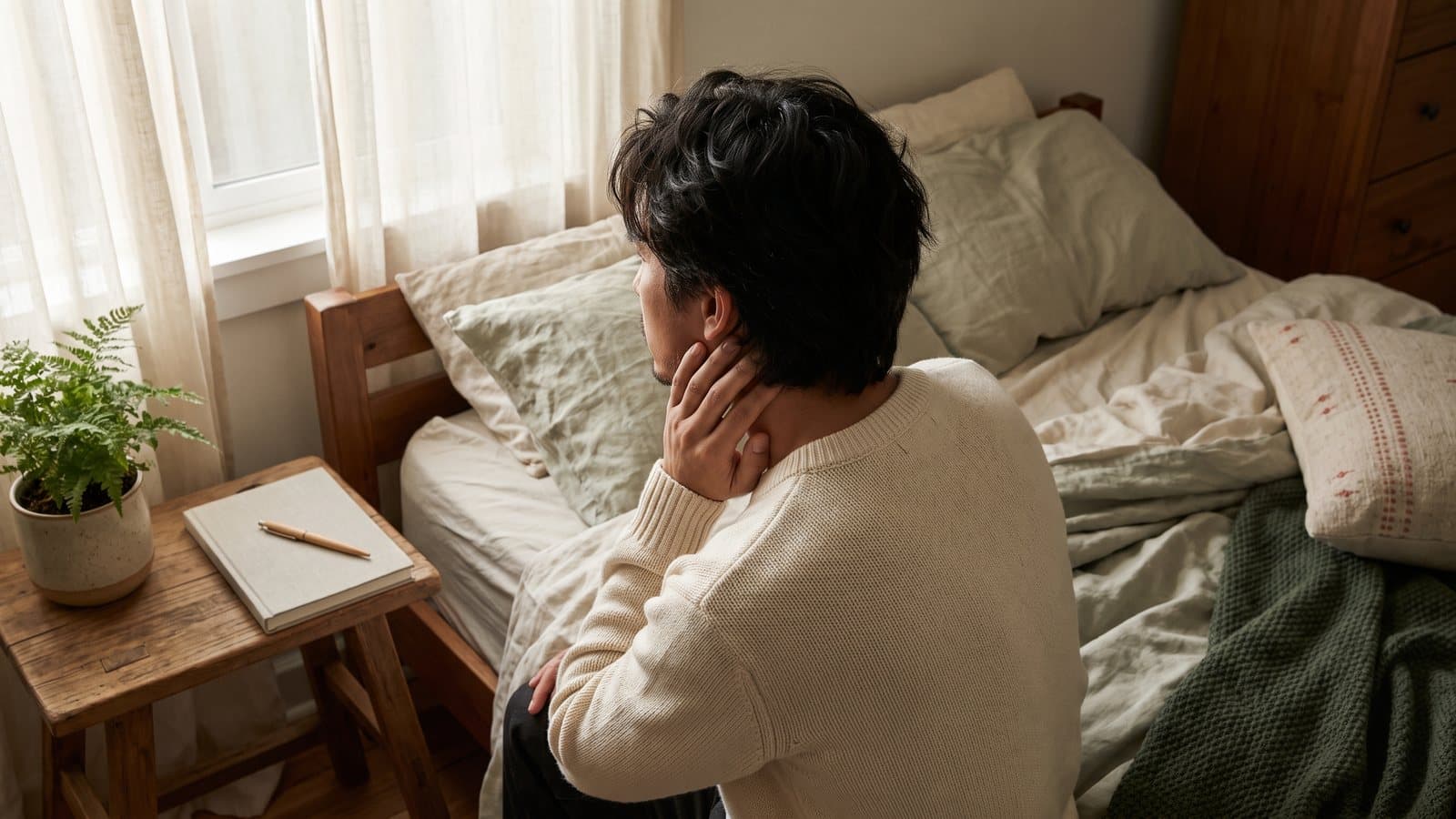
When Stress Follows You Into Bed
You wake up with your jaw already tight, a dull ache settling into your temples before your feet even hit the floor. Your partner mentions again that they heard grinding sounds coming from your side of the bed overnight. It has been a stretch of long days, and you are starting to wonder whether your stress is following you straight into sleep.
April is Stress Awareness Month, observed every year since 1992 to highlight how stress shows up in the body. Grinding teeth at night is one of the more common ways stress surfaces while you sleep, though stress rarely tells the whole story on its own.
At Austin Sleep & Airway Health, Dr. Culotta looks at nighttime grinding as more than a habit to break. This post covers why grinding happens, how it can connect to your sleep and airway, what to track before a visit, and when it is worth a closer look.
Why Do You Grind Your Teeth at Night?
Bruxism is the clinical term for grinding or clenching your teeth, and it can happen while you are awake or asleep. MedlinePlus notes that the exact cause is not fully understood, though daily stress is one of the most commonly cited triggers.
When you are under pressure, your jaw muscles can hold tension the same way your shoulders or neck might. That tension does not always ease once you fall asleep. Grinding tends to occur during lighter stages of sleep, alongside brief, mostly unnoticed awakenings that happen many times a night.
Stress is not the only contributor. The American Dental Association points to other factors, including a bite that does not line up evenly, and notes that people who smoke, drink alcohol, or drink a lot of coffee are more likely to grind their teeth. Genetics and other sleep disorders can play a role too.
Is Teeth Grinding Linked to Sleep Apnea and Your Airway?
Researchers have long noticed that grinding and sleep disordered breathing often show up in the same people, though the relationship is still being studied. A 2025 narrative review in the Journal of Prosthodontics describes sleep bruxism and obstructive sleep apnea as commonly co-occurring conditions, without settling exactly why.
One proposed explanation involves the brief awakenings, called micro-arousals, that happen when breathing is disrupted during sleep. As the body works to reopen a narrowed airway, jaw muscles can activate along with everything else, and a grinding episode can follow. Under this theory, the grinding is a byproduct of the airway working harder, not the original cause.
This does not mean everyone who grinds their teeth has a breathing problem, and it does not mean airway issues always cause grinding. It does mean that when grinding shows up alongside snoring, gasping, or mouth breathing, the airway is worth mentioning at your next visit. Only a physician can diagnose sleep apnea, through a sleep study.
Signs You Might Be Grinding Your Teeth at Night
What You Might Notice in the Morning
A sore or tight jaw on waking, tenderness along your temples, or a dull headache are common. Some people notice an ache that sits closer to the ear, since the jaw joint is right in front of it.
What a Dentist Might Notice
Flattened, chipped, or worn edges on your teeth are frequent clues, along with a scalloped edge along the tongue or ridges on the inside of your cheeks. These changes build slowly, so you might not spot them yourself.
What a Partner Might Notice
Grinding often makes an audible sound, and a partner may hear it before you are ever aware of it. Snoring, pauses in breathing, or restless tossing alongside the grinding are worth mentioning together, not separately.
What You Can Track Now
You do not need special equipment to start paying attention. A simple log for a week or two gives any evaluation more to work with:
- When your jaw feels sorest: on waking, after meals, or late in the day
- Headaches, especially at the temples, and when they start
- Sounds a partner notices, including grinding, snoring, or gasping
- Stress patterns: work deadlines, poor sleep, or a stretch of hard weeks
- Whether you already use a night guard, and how it has been working
Stress management on its own can help ease some of the pressure. Regular sleep, movement, and simple relaxation habits, like slow breathing before bed, may help support a calmer jaw, even though they will not resolve every case.
When It's Worth an Evaluation
Occasional grinding during a stressful week is common and often settles on its own. It is worth a look if grinding happens most nights, if your teeth are visibly wearing down, or if jaw pain is starting to get in the way of eating or talking comfortably.
It is also worth mentioning to your doctor if grinding shows up alongside snoring, morning fatigue, or witnessed pauses in breathing. None of these signs confirm anything on their own, but together they give a physician or dentist useful information to consider.
How Austin Sleep & Airway Health Helps With Teeth Grinding at Night
Dr. Culotta is a Diplomate of the American Board of Dental Sleep Medicine with more than a decade of experience as a family dentist and myofunctional specialist. That background shapes how she looks at grinding, as part of how you breathe, sleep, and hold tension.
Your visit starts with an airway-focused exam covering your jaw joints, bite, tongue posture, tonsil size, and whether you tend to breathe through your nose or mouth. When it is helpful, our in-house 3D CBCT airway imaging lets Dr. Culotta review your airway and jaw position in a scan that takes about 45 seconds. A CBCT scan is an awake, upright snapshot, not a sleep study, and it does not diagnose sleep apnea on its own.
From there, options might include a custom oral appliance that supports a more open airway during sleep, a night guard focused on protecting your teeth, or TMJ Botox therapy for muscle tension. If it is your child who is grinding rather than you, our guide to child teeth grinding at night covers that separately. When it is useful, Dr. Culotta coordinates with your sleep physician or ENT so every angle gets covered.
Frequently Asked Questions
Why do I grind my teeth at night when I'm stressed?
Stress is one of the most common triggers for nighttime grinding, since jaw muscles can hold tension the same way your shoulders or neck do. That tension often carries into sleep, especially during lighter sleep stages, and shows up as clenching or grinding you are not aware of.
Is grinding my teeth a sign of sleep apnea?
Grinding does not confirm sleep apnea on its own, but the two are frequently studied together and often occur in the same people. If grinding shows up alongside snoring, gasping, or daytime tiredness, it is worth mentioning to your doctor, who can determine whether a sleep study makes sense.
Will a night guard stop sleep apnea related grinding?
A standard night guard protects your teeth from wear, but it does not hold your airway open the way a mandibular device or CPAP can. If sleep apnea is contributing to your grinding, treating the airway is usually a separate conversation from protecting your teeth.
Can I wear a night guard along with CPAP?
Many people use a night guard and CPAP together, though the fit and materials matter, especially around a mask seal. Talk with your sleep physician and dentist so the two devices work well side by side.
How can I tell if I am grinding my teeth at night?
Morning jaw soreness, temple headaches, and flattened or chipped teeth are common signs, along with grinding sounds a partner might notice. Many people only find out after a dentist spots the wear during a routine visit.
Does stress alone explain teeth grinding, or could something else be going on?
Stress is a common trigger, but it is rarely the only factor, since bite alignment, sleep patterns, and airway health can all play a part. A thorough evaluation looks at the whole picture rather than assuming stress explains everything.
Where can I get help for teeth grinding at night in Austin?
Austin Sleep & Airway Health offers an airway-focused exam and in-house CBCT imaging, along with oral appliances, night guards, and TMJ Botox, at 1701 Simond Ave, Suite 107A, in Austin's Mueller area. Call (512) 900-9715 or email hello@austinsleephealth.com, Monday, Tuesday, Thursday, and Friday from 8:00 AM to 3:00 PM.
Take the First Step Toward Calmer Nights
If stress has been showing up in your jaw, you do not have to guess whether something more is going on. A calm, thorough evaluation can look at your bite, your jaw, and your airway together, so you understand the full picture. As Dr. Culotta puts it, "It's never too late to breathe, sleep, and feel better." Explore our TMJ and craniofacial pain screening to organize what you are noticing before a visit.
By Austin Sleep & Airway Health
This article is for general education. It is not a diagnosis and does not replace an evaluation with a qualified provider.
Jaw, face, or head pain that keeps coming back?
Our educational craniofacial pain and TMJ screening helps you organize your symptoms before an evaluation.
Keep Reading
Related articles
TMJ, Jaw & Grinding
TMJ and Ear Pain: Why Your Jaw Can Affect Your Ears
TMJ ear pain can feel just like an infection. Learn why your jaw affects your ears, how to tell the difference, and what to track before a visit.
Read more7 min read
TMJ, Jaw & Grinding
Jaw Clicking and Popping: When It's Worth a Look
Jaw clicking or popping when you chew, yawn, or talk is common. Here is what causes it, what is normal, and when it is worth a jaw evaluation.
Read more7 min read
TMJ, Jaw & Grinding
Botox for TMJ: How It Works and What to Expect
Botox for TMJ can relax overworked jaw muscles. Learn how it works, what the research says, why it is off-label, and what to expect before and after.
Read more7 min read