Sleep Apnea & Snoring
Sleep Apnea in Women: Signs That Often Get Missed
Published 7 min read
The Tired That Doesn't Add Up
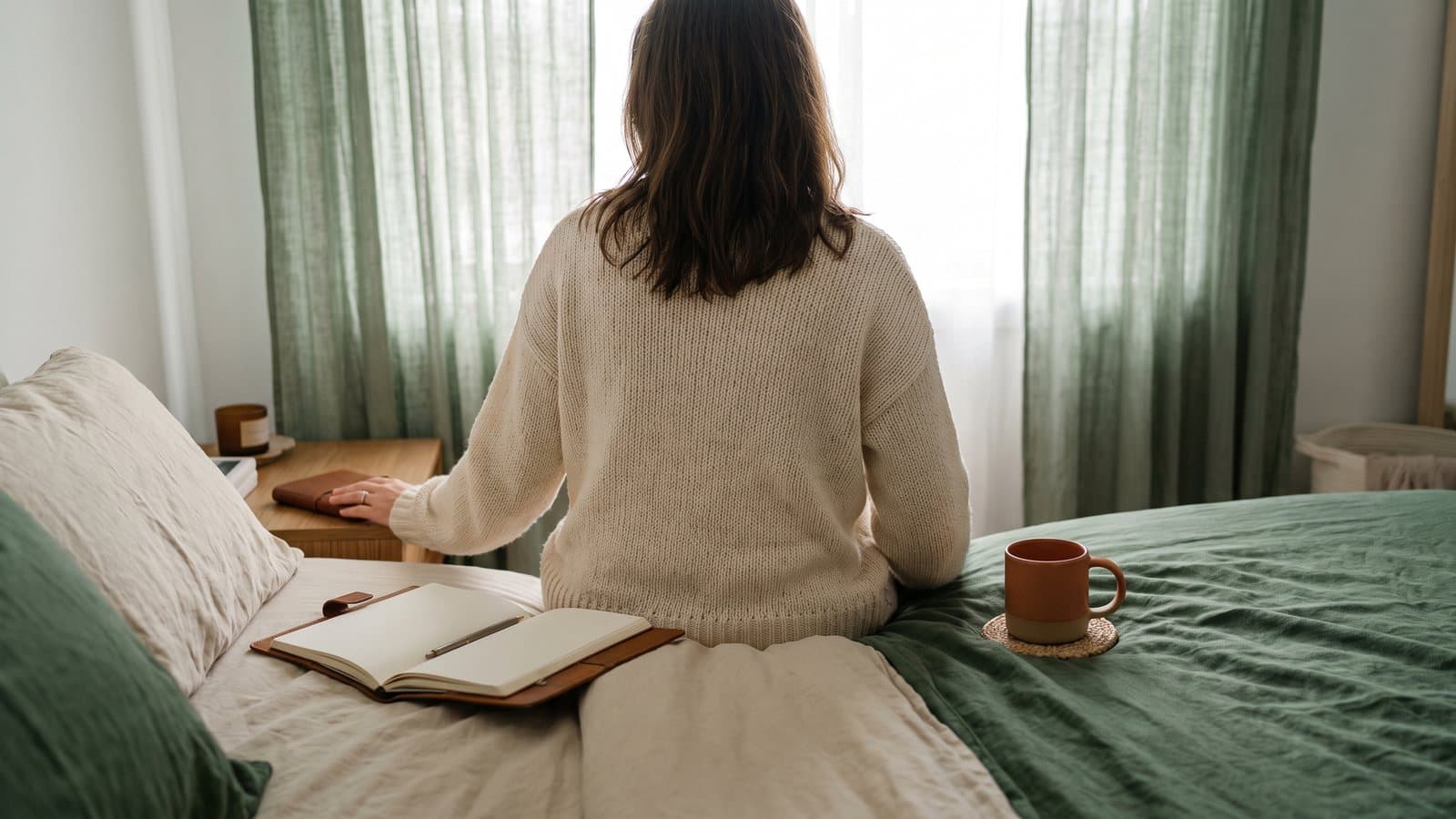
You get a full eight hours and still wake up feeling like you never slept. Coffee buys an hour, then the fog rolls back by mid morning. You have chalked it up to stress, to being busy, to getting older, to anything except your breathing.
Sleep apnea in women rarely looks like the loud snoring and gasping most people picture. It can show up instead as fatigue a good night's sleep does not fix, restless nights, headaches you wake up with, or a harder to manage mood. Because those signs overlap with stress, hormones, and other conditions, sleep apnea in women gets missed far more often than it should.
May is Better Sleep Month, and with Mother's Day ahead, it is a fitting time to stop assigning your exhaustion to everything but sleep. At Austin Sleep & Airway Health, we talk with women who spent months or years treating symptoms that turned out to have a breathing component underneath. This post covers how sleep apnea in women tends to present, why it gets overlooked, and what is worth tracking before your next appointment.
Why Sleep Apnea in Women Doesn't Always Look Like Snoring
The classic picture of sleep apnea, a snoring man who gasps for air, comes from decades of research focused mostly on middle aged men. The American Academy of Sleep Medicine notes that men are referred for sleep apnea evaluation roughly eight to nine times more often than women, even though the condition itself is only about two to three times more common in men. That gap suggests many women with sleep apnea are simply not being sent for testing.
Part of the reason is how symptoms get described. The AASM notes that women tend to underreport snoring, and are more likely to describe fatigue or insomnia rather than the classic daytime sleepiness clinicians ask about first. How snoring and sleep apnea differ is worth understanding on its own, since snoring intensity is not a reliable stand in for who does and does not have sleep apnea.
Signs of Sleep Apnea in Women That Often Get Missed
A peer reviewed comparison of men and women with obstructive sleep apnea, summarized on PMC, found that men more often had snoring witnessed by a partner, while morning headache, fatigue, insomnia, mood disturbance, and needing the bathroom overnight were more frequently reported by women. Here is what a few of those can look like.
Fatigue That Sleep Doesn't Fix
This is exhaustion that lingers no matter how early you get into bed, heavier than normal tiredness and slow to lift on weekends. It is easy to blame on a busy schedule, but if it persists for weeks, mention it to your doctor.
Trouble Falling or Staying Asleep
Insomnia and sleep apnea can overlap and mask each other, sharing much of the same daytime fallout. Waking several times a night, or lying awake wired despite feeling worn out, can point toward a breathing component rather than a purely mental one.
Morning Headaches
Waking with a dull headache most mornings can reflect disrupted sleep and lower oxygen overnight rather than dehydration or posture alone. It tends to ease within an hour or two of getting up, which is itself worth noting.
Mood Changes
Irritability, low mood, or anxiety that feels out of character can accompany fragmented, unrefreshing sleep, and it is often treated on its own without anyone asking about nighttime breathing. That does not mean every mood shift is sleep apnea, only that it is worth mentioning alongside your sleep symptoms.
Nighttime Bathroom Trips
Waking to use the bathroom more than once a night, known as nocturia, showed up more often in women in the research above. It is easy to chalk up to hydration or age, but alongside other symptoms it can be a clue worth tracking.
Why These Symptoms Get Overlooked or Misdiagnosed
Because fatigue, insomnia, headaches, and mood changes overlap with so many conditions, a woman describing them is often routed toward a mood or hormone evaluation before anyone considers breathing. That is not wrong by itself, but an airway problem can exist alongside it and never get asked about.
Hormonal shifts add another layer, since estrogen and progesterone appear to support airway muscle tone. Pregnancy and the years around menopause change those hormone levels and can shift sleep apnea risk, and each deserves its own closer look in guides elsewhere on this site.
What to Track Before Your Next Appointment
You do not need special equipment to start building a picture, just a notebook or notes app by the bed for a couple of weeks. Track:
- How rested you feel each morning, on a simple one to five scale.
- Headaches, dry mouth, or a sore jaw when you wake up.
- How many times you wake during the night, and why, bathroom trips included.
- Anything a partner notices, such as snoring, gasping, or restlessness.
- Mood and energy through the day, and whether it shifts with how you slept.
A couple of weeks of notes turns a vague sense that something is off into something specific, whether the first conversation is with your primary care doctor, a sleep physician, or our team.
When It's Worth a Sleep Apnea Evaluation
It is worth a closer look if fatigue or unrefreshing sleep continues most days despite consistent habits, if you wake with a headache several mornings a week, or if a partner mentions snoring, gasping, or pauses in your breathing. Mood changes or trouble concentrating alongside those sleep symptoms are worth mentioning too.
None of this is a diagnosis on its own. Sleep apnea is diagnosed only through a sleep study, coordinated with your physician, and what to expect at your first visit can walk you through what that process looks like before you come in.
How Austin Sleep & Airway Health Helps With Sleep Apnea in Women
Dr. Kacie Culotta, DMD, is a Diplomate of the American Board of Dental Sleep Medicine and a Qualified Dentist with the American Academy of Dental Sleep Medicine. When a patient describes fatigue, disrupted sleep, or headaches without the classic snoring story, she starts with a full airway focused exam rather than assuming those symptoms belong somewhere else.
That exam looks at tongue mobility and posture, oral ties, palate width, bite, jaw joints, tonsil size, nose versus mouth breathing, and signs of clenching or grinding, along with a detailed sleep and health history. Our in-house 3D CBCT airway imaging, a quick, low dose scan taken while awake, lets Dr. Culotta look at airway shape, volume, and structures such as the tonsils, adenoids, and jaw position.
From there, we coordinate: a sleep study with your physician, or a referral to an ENT if the nose or tonsils seem relevant. If sleep apnea is confirmed, a custom oral appliance is one option alongside CPAP, and some patients use both.
Frequently Asked Questions
Can women have sleep apnea without snoring?
Yes, many women with sleep apnea snore quietly or not at all, which is one reason the condition is often missed. The American Academy of Sleep Medicine notes that women tend to underreport snoring and underestimate its loudness, so the absence of loud snoring does not rule anything out.
Why do doctors sometimes treat women's sleep apnea symptoms as anxiety or depression?
Fatigue, insomnia, and mood changes overlap with several other conditions, so a symptom picture that resembles stress or a mood disorder is often evaluated that way first. That is not wrong on its own, but it can leave a breathing component unasked about for years.
What are the most common sleep apnea symptoms in women?
Fatigue despite enough time in bed, trouble falling or staying asleep, morning headaches, mood changes, and frequent nighttime bathroom trips are commonly reported by women with sleep apnea. A peer reviewed comparison on PMC found these were more frequent in women, while witnessed snoring was more frequent in men.
Can sleep apnea cause morning headaches?
Disrupted sleep and lower oxygen levels overnight can contribute to a headache present on waking that eases within an hour or two. It is one of several signs worth tracking, not a symptom that confirms anything by itself.
Can sleep apnea cause mood swings or anxiety?
Fragmented, unrefreshing sleep can affect mood, and some women notice irritability or anxiety that feels more intense than usual. Mood changes alone are not a diagnosis, but mentioning them alongside fatigue or disrupted sleep gives a clinician a fuller picture.
Does sleep apnea risk change during pregnancy or menopause?
Hormonal shifts during pregnancy and the years around menopause can affect airway muscle tone and sleep apnea risk. Each deserves its own closer look, and we cover both topics in more depth elsewhere on this site.
Where can I get evaluated for sleep apnea in Austin?
Austin Sleep & Airway Health offers airway focused evaluations, including in-house 3D CBCT imaging, at 1701 Simond Ave, Suite 107A, in Austin's Mueller area. Call (512) 900-9715 or email hello@austinsleephealth.com. We are open Monday, Tuesday, Thursday, and Friday, 8:00 AM to 3:00 PM.
Your Symptoms Deserve a Closer Look
If fatigue, restless nights, or headaches you cannot explain have been chalked up to stress for too long, you do not have to keep guessing on your own. Our adult sleep apnea screening is a short, educational set of questions that can help you organize what you have noticed before you bring it to Dr. Culotta or your physician. As Dr. Culotta puts it, "It's never too late to breathe, sleep, and feel better."
By Austin Sleep & Airway Health
This article is for general education. It is not a diagnosis and does not replace an evaluation with a qualified provider.
Wondering whether a sleep evaluation is right for you?
Take our quick, educational adult sleep screening to better understand your risk factors and what to bring to a visit.
Keep Reading
Related articles

Sleep Apnea & Snoring
Acid Reflux at Night and Sleep Apnea: How They Connect
Acid reflux and sleep apnea often overlap at night. Here is what research says about the connection, what to notice, and when to get it checked.
Read more7 min read
Sleep Apnea & Snoring
Waking Up to Pee at Night: A Sleep Apnea Connection?
Waking up to pee at night more than once? It could be summer hydration, or your airway. Here is what is normal and worth mentioning at a visit.
Read more7 min read
Sleep Apnea & Snoring
Waking Up With a Headache? What It Could Mean
Waking up with a headache in Austin's summer heat? See how dehydration, jaw clenching, and sleep apnea can each play a role, and what to track.
Read more7 min read