
Kids & Teens
Why Is My Teenager Always Tired?
Published 7 min read
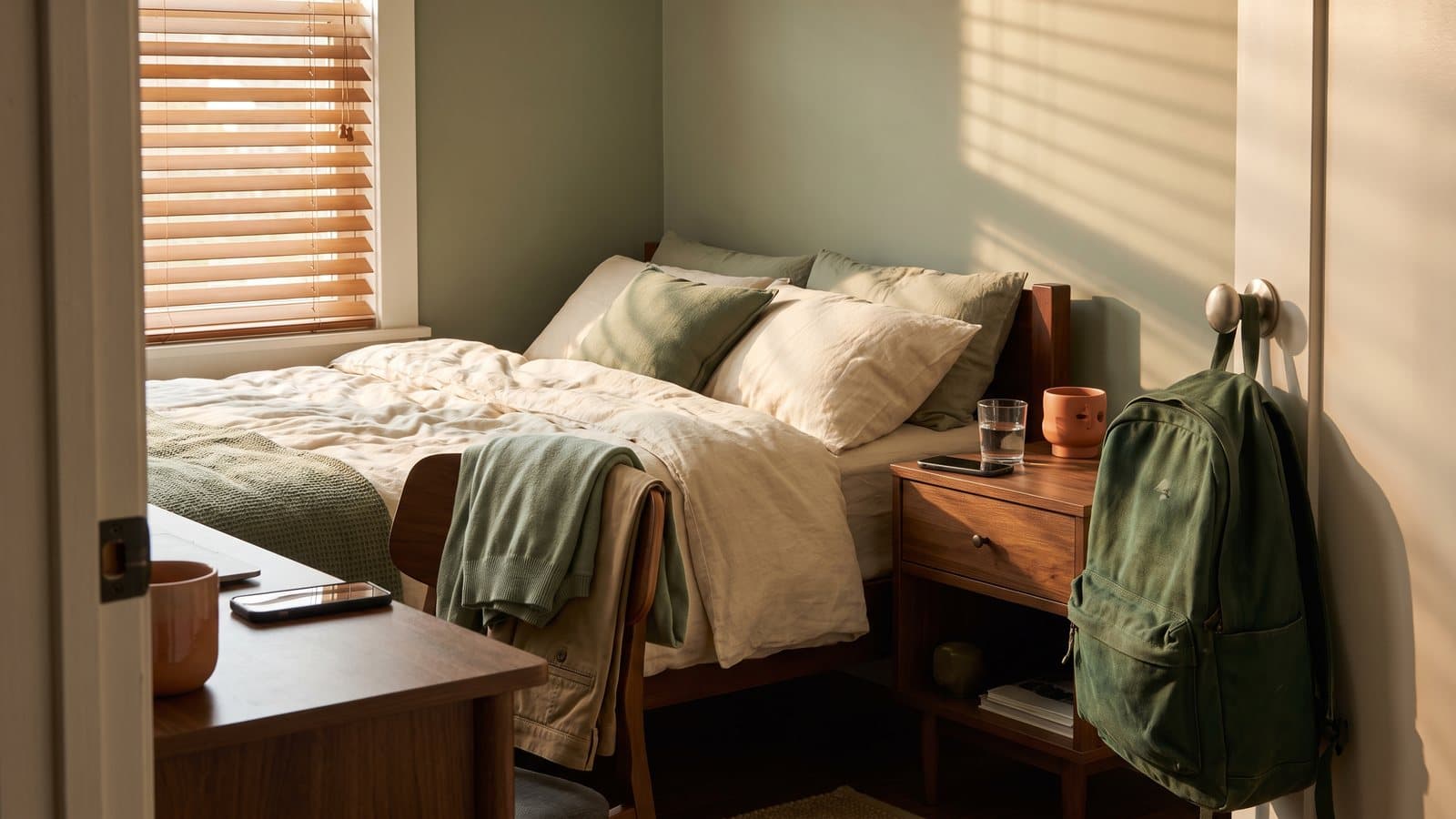
The Alarm That Loses Every Morning
Three snoozes, a knock on the door, one more knock, and by the time your teenager is finally upright, you are both running late again. If you are Googling why your teenager is always tired, you are not the only parent doing it this week. Back to school always brings the question back around: is this just what teenagers are like, or is something else going on.
That question deserves a real answer, not a shrug. Some tiredness is expected and biological. Tiredness that does not let up even on a full night's sleep, alongside snoring, mouth breathing, or grinding, is worth a closer look.
This piece from Austin Sleep & Airway Health walks through what typically drives teen tiredness, what is simply part of adolescence, what points toward the airway, what to track before your next appointment, and when it is worth an evaluation.
Why Is My Teenager Always Tired? Normal Biology or Something More
Most of it starts with biology, not bad habits. Around puberty, the body's internal clock shifts later, delaying when the brain signals it is time to wind down for the night. Sleep researchers describe this as a phase delay, sometimes as much as two hours compared to the middle school years, so a teenager who is wide awake at 10 p.m. is not necessarily choosing to stay up.
Layer an early school start time on top of that biology and the math gets hard. The American Academy of Sleep Medicine recommends that middle and high schools start at 8:30 a.m. or later, in part because most teenagers cannot fall asleep early enough to make up the difference on their own. Screens, sports, homework, and part time jobs push bedtime later still.
None of this means every tired teenager has a medical issue. It means most tiredness has an explanation rooted in a shifting body clock and a schedule not built around it. The pattern is worth noting more when it does not improve even with a chance to sleep in.
How Much Sleep Does a Teenager Actually Need?
The American Academy of Sleep Medicine recommends 8 to 10 hours of sleep a night for teens ages 13 to 18. Most teenagers fall short of this during the school week and try to make it up later, which does not fully reset a shifted schedule.
Catching up partly works. A teen who sleeps in on Saturday will likely feel sharper by Sunday afternoon. What it does not fully undo is the shifting schedule itself: late nights all week and sleeping until noon on weekends nudge the body clock later again, so Monday feels like starting over.
If your teen is close to 8 to 10 hours most nights and still drags through the day, or falls asleep in the car, in class, or over homework, it is worth looking past the clock for an explanation.
When Teen Tiredness Points to the Airway, Not Just the Clock
Snoring, mouth breathing, or grinding at night
Loud or frequent snoring, breathing mostly through an open mouth, or grinding are worth noticing in a teenager the same way they are in a younger child. The American Academy of Pediatrics lists frequent snoring and nighttime breathing problems among the signs that can accompany sleep apnea in kids and teens, alongside daytime sleepiness. If grinding is part of the picture, our guide to why kids grind their teeth at night covers what tends to drive it.
Morning headaches or a dry, sore throat
Waking up with a headache, a dry mouth, or a sore throat can be tied to breathing through the mouth overnight rather than the nose. We cover this pattern in more detail in why you wake up with a headache, and it is worth mentioning at your teen's next dental or medical visit.
Enlarged tonsils, nasal congestion, or allergies
Allergy season, along with enlarged tonsils or adenoids, can narrow the airway enough to disrupt sleep without anyone realizing why. This does not mean every congested teenager has sleep apnea. It means nasal breathing and tonsil size are worth mentioning if fatigue is persistent.
What to Track Before Your Teen's Next Checkup
A two-week log turns a vague sense of always tired into specifics a doctor or Dr. Culotta can use. Ask your teen to help, since older kids often notice patterns adults miss.
- Bedtime and wake time, on school days and weekends, including how long it actually takes to fall asleep.
- Nighttime signs, snoring, mouth breathing, grinding, or gasping, if you or a sibling notice them.
- Mornings, whether your teen wakes easily or needs several attempts, and how alert they seem an hour later.
- Daytime patterns, falling asleep in class, during car rides, or right after school, plus any headaches or jaw soreness.
- Screens and caffeine, when devices go off at night and how much caffeine shows up during the day.
Bring the log to your teen's next pediatrician or dental visit. A consistent bedtime, a cooler dark room, and screens off before lights out are reasonable first steps while you watch for a pattern.
When a Tired Teenager Is Worth an Evaluation
Tiredness that does not improve with a consistent schedule and enough hours in bed, especially alongside snoring, mouth breathing, morning headaches, or grinding, is worth a conversation with your teen's pediatrician. Only a physician can diagnose sleep apnea, and only through a sleep study.
An airway focused dental evaluation is a useful complement to that conversation, especially when nighttime breathing signs are part of the picture. Our broader guide on back to school airway signs parents can spot walks through more of what to watch for as the new school year settles in.
How Austin Sleep & Airway Health Helps With a Tired Teenager
Dr. Kacie Culotta, DMD, a Diplomate of the American Board of Dental Sleep Medicine, starts with a detailed sleep and health history, the same history a two-week log makes easier to complete. The airway focused exam looks at tongue mobility, oral ties, palate width, bite, jaw joints, tonsil size, and whether your teen breathes mainly through the nose or mouth, details that can connect to daytime fatigue.
When imaging helps complete the picture, our in-house 3D CBCT airway imaging gives Dr. Culotta an awake, upright view of airway shape, volume, the tonsils, adenoids, nasal passages, and jaw position in about 45 seconds at a low dose. It is not a sleep study and does not diagnose sleep apnea on its own.
From there, we coordinate with your teen's pediatrician, sleep physician, ENT, or orthodontist, so a tired teenager gets a fuller picture than a single generic recommendation. As Dr. Culotta says, "Positive change is possible at any age. Awareness is the first step."
Frequently Asked Questions
Is it normal for teenagers to be tired all the time?
Some tiredness is normal for teenagers because of a biological shift in their internal clock that delays sleepiness until later at night. It becomes worth a closer look when a teen still seems exhausted despite getting close to 8 to 10 hours of sleep on a regular basis.
How many hours of sleep does a teenager actually need?
The American Academy of Sleep Medicine recommends 8 to 10 hours of sleep a night for teens ages 13 to 18. Most teenagers fall short of this during the school week and try to make it up later, which does not fully reset a shifted schedule.
Why does my teen fall asleep in class even after going to bed on time?
A teen can fall asleep in class even after a reasonable bedtime if their sleep is being interrupted overnight without anyone noticing. Snoring, mouth breathing, restless sleep, or an inconsistent schedule can all quietly cut into how restorative that time in bed actually is.
Is sleeping in all weekend a sign my teen is not getting enough sleep?
Sleeping late on weekends is common when a teen is behind on sleep during the school week and is trying to catch up. If the pattern repeats every week and your teen still seems tired on school days, it is worth tracking bedtime and wake time together.
What are signs of sleep apnea in a teenager?
Frequent snoring, pauses or gasping during sleep, and problems breathing at night are signs the American Academy of Pediatrics lists alongside daytime sleepiness and trouble concentrating. None of these signs confirm sleep apnea on their own, and only a physician can diagnose it through a sleep study.
Could my teen's tiredness be something other than a sleep problem?
Persistent fatigue can sometimes come from causes unrelated to sleep, such as anemia, thyroid changes, or mood related concerns your pediatrician can screen for. If sleep and airway signs have already been considered and fatigue continues, that conversation is worth having with your teen's doctor.
Where can I get my teenager's sleep and airway evaluated in Austin?
Austin Sleep & Airway Health offers airway focused evaluations for teens at 1701 Simond Ave, Suite 107A, in Austin's Mueller area. Call (512) 900-9715 to schedule, and we are glad to coordinate with your teen's pediatrician or sleep physician.
A Calm Next Step Before the School Year Gets Busier
If your teenager's tiredness has you wondering whether it is just adolescence or something more, our educational sleep screening for ages 13 to 18 is a simple place to start. It does not diagnose anything, and when you are ready, our team is glad to help you and your teen sort out what is behind the exhaustion.
By Austin Sleep & Airway Health
This article is for general education. It is not a diagnosis and does not replace an evaluation with a qualified provider.
Is your teen running on empty?
Our educational screening for ages 13 to 18 helps you and your teen notice sleep and breathing patterns worth discussing with a provider.
Keep Reading
Related articles

Kids & Teens
Thumb Sucking and Teeth: What Summer Break Reveals
Thumb sucking and teeth: how a habit that lingers past toddler years can shape a child's bite and breathing, plus what to try this summer break.
Read more7 min read
Kids & Teens
Bedwetting and Sleep Apnea: Could Breathing Be a Factor?
Bedwetting and sleep apnea can be connected in some children. Learn common causes, how breathing may factor in, and when a closer look helps.
Read more7 min read
Kids & Teens
Restless Sleep in Kids: Tossing, Sweating, and Your Child's Positions
Child restless sleep, including tossing, sweating, and odd positions, is common. Learn what it usually means and when to ask for a closer look.
Read more7 min read